Buy forumtrzeciegowieku.pl ?
We are moving the project
forumtrzeciegowieku.pl .
Are you interested in purchasing the domain
forumtrzeciegowieku.pl ?
domain@kv-gmbh.de · 0541-91531010
Buy forumtrzeciegowieku.pl ?
What is the difference between self-pollination and cross-pollination?
Self-pollination occurs when pollen from the same plant fertilizes the ovules within the same flower or between different flowers on the same plant. This can happen through the transfer of pollen by wind, water, or self-pollinating mechanisms. On the other hand, cross-pollination involves the transfer of pollen from the male reproductive organ of one plant to the female reproductive organ of another plant of the same species. This process promotes genetic diversity and can result in stronger, more resilient offspring. **
What are the advantages and disadvantages of self-pollination in plants?
Self-pollination in plants has advantages such as ensuring reproductive success even in isolated or small populations, as it does not rely on external agents like wind or insects for pollination. This can lead to faster and more efficient reproduction. However, self-pollination can also result in reduced genetic diversity within a population, making plants more susceptible to diseases and environmental changes. It can also limit the potential for beneficial genetic variations to arise through cross-pollination. **

Similar search terms for Self-pollination
Top-Angebote
Products related to Self-pollination:
-
Inspire Picks Cozy Therm Self Warming Cat Mat With Heat Retention Technology lGive your pet a warm and cozy place to relax with this self warming cat mat designed to provide comfort in every season. Featuring heatretention technology, this soft pet bed pad reflects your pet's natural body warmth to create a comfortable...36,12 $*Shipping: 0,00 $Secure redirect to the provider
-
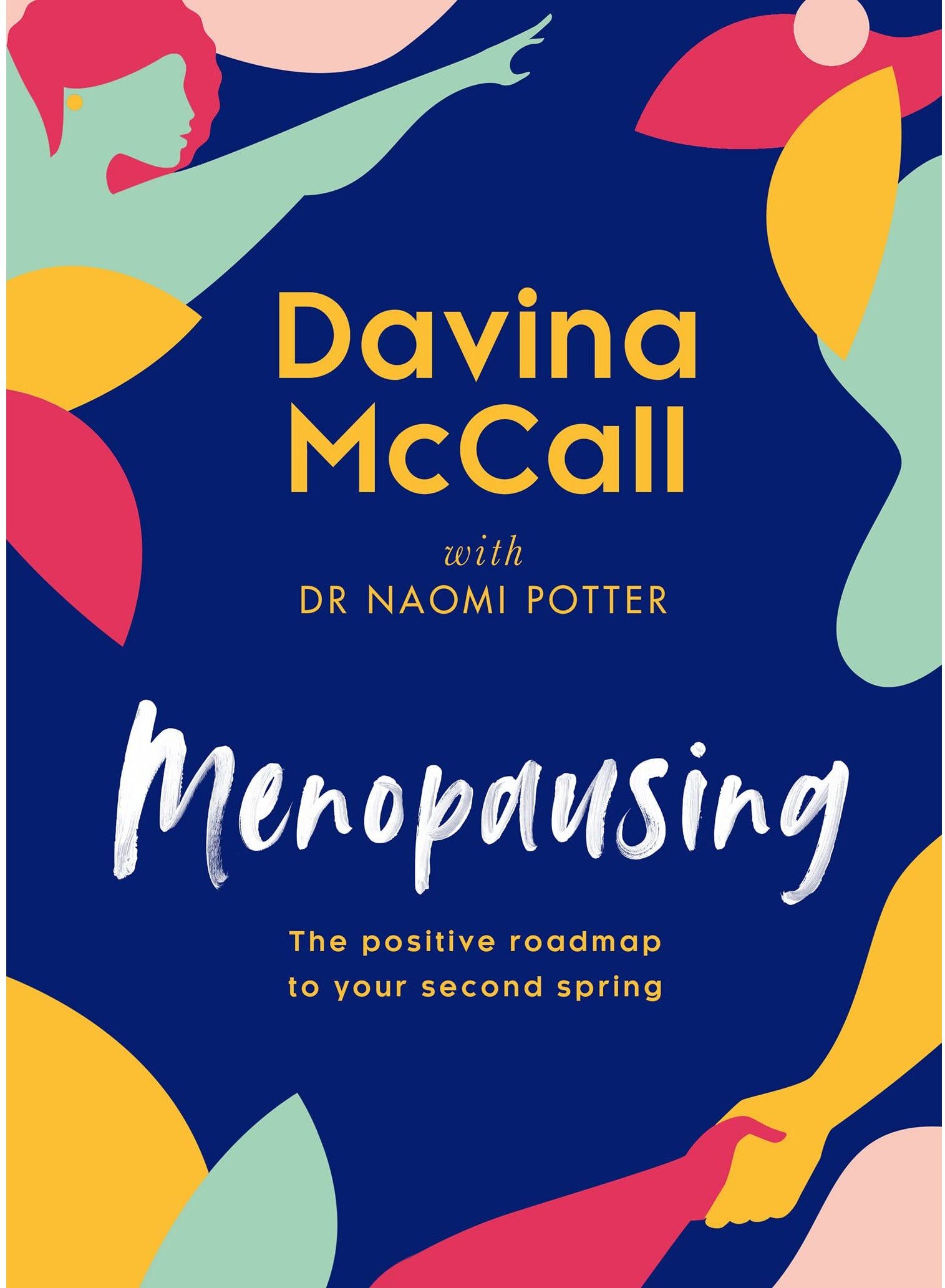
HQ Menopausing Book – Sunday Times Bestselling Women’s Health & Self-Care GuideMenopausing by Davina McCall, co-written with Dr Naomi Potter, is a groundbreaking, empowering and deeply informative guide designed to support women through every stage of the menopause. Combining personal stories, medical facts, expert advice and practical guidance, this bestselling book demystifies menopause, busts myths, and provides clear, accessible information about: Menopause symptoms Hormonal changes Perimenopause HRT (Hormone Replacement Therapy) Mental health & mood changes Sleep issues, brain fog & energy levels Nutrition, fitness & lifestyle support How to seek help and talk to healthcare professionals Davina’s honest and relatable voice—paired with Dr Potter’s medical expertise—makes this book an essential resource for women of all ages, their families, and anyone wanting to better understand menopause. Perfect for readers who want clarity, confidence, and support on their menopause journey. Bestselling menopause guide by Davina McCall & Dr Naomi Potter Covers perimenopause, menopause, symptoms, hormones & emotional wellbeing Clear, evidence-based information about HRT and treatment options Supports mental health, mood, energy & lifestyle changes Honest stories, expert advice & practical tools for everyday life Perfect for women preparing for or experiencing menopause Ideal gift for women 40+, healthcare students, or wellbeing readers6,99 £*Shipping: 2,99 £Secure redirect to the provider
-
Our Voices: Neighborhood & Community Boxed SetFoster a feeling of belonging while building key reading skills with these colorful storybooks that spotlight a variety of neighborhoods and communities. The 10 charming stories feature characters from different cultural backgrounds who learn about...32,37 $*Shipping: 0,00 $Secure redirect to the provider
-
DK Practical Ayurveda by Sivananda Yoga Vedanta Centre - Hardback Wellness Guide to Doshas, Diet, Yoga & Natural Self-Care BalanceDiscover the principles of Ayurveda, a traditional Indian system of medicine, with this beautifully presented hardback guide. Written by the Sivananda Yoga Vedanta Centre, it helps readers identify their unique dosha, or mind-body constitution, and provides practical advice on how to restore balance through small daily adjustments to diet, movement, sleep, and mindset. The book includes clear, accessible, and richly illustrated guidance suitable for both beginners and experienced wellness seekers. It opens with simple self-assessment tools to help readers determine whether they are predominantly Vata, Pitta, or Kapha, and chapters cover nutrition, movement, and other aspects of Ayurvedic living. Published by DK, this hardback edition is a comprehensive introduction to the science of life, which views health as a state of balance between body, mind, and spirit.7,99 £*Shipping: 2,99 £Secure redirect to the provider


-
What is pollination in flowers?
Pollination in flowers is the process by which pollen from the male reproductive organs (anthers) of a flower is transferred to the female reproductive organs (stigma) of the same or another flower, leading to fertilization and the production of seeds. This transfer of pollen can occur through various means, including wind, water, and animals such as bees, butterflies, and birds. Pollination is essential for the reproduction of flowering plants and the production of fruits and seeds. **
-
How does pollination occur in insects?
Pollination in insects occurs when they visit flowers in search of nectar or pollen. As they feed, they inadvertently brush against the reproductive parts of the flower, picking up pollen grains. When the insect moves to another flower of the same species, some of this pollen is transferred to the stigma, fertilizing the flower. This process allows for the successful reproduction of many plant species with the help of insect pollinators. **
-
What forms of pollination exist in primroses?
Primroses exhibit both self-pollination and cross-pollination. Self-pollination occurs when the plant's own pollen fertilizes its own ovules, leading to genetic uniformity. Cross-pollination, on the other hand, involves the transfer of pollen from one plant to another, promoting genetic diversity. Primroses can be pollinated by insects, such as bees and butterflies, as well as by wind. **
-
How does the pollination of insects occur?
Insect pollination occurs when insects, such as bees, butterflies, and beetles, visit flowers in search of nectar or pollen. As they move from flower to flower, they inadvertently transfer pollen from the male reproductive parts of one flower to the female reproductive parts of another. This transfer of pollen allows for fertilization and the production of seeds and fruits. Insects are attracted to flowers by their colors, scents, and nectar, and in the process of feeding, they facilitate the crucial process of pollination. **

What terms exist for external and internal pollination?
External pollination occurs when pollen is transferred between flowers by an external agent, such as wind, water, or animals. Internal pollination, on the other hand, occurs when pollen is transferred within the same flower or between flowers of the same plant. Both types of pollination are essential for the reproduction of many plant species. **
Do grapes only grow with pollination by bees?
No, grapes do not require pollination by bees to grow. Grapes are self-pollinating plants, meaning they have both male and female reproductive parts within the same flower, allowing them to pollinate themselves. While bees can help with pollination and increase grape yields, they are not necessary for grape production. **
Top-Angebote
Products related to Self-pollination:
-
Shark PowerDetect Ultra-Light Corded Stick Vacuum with Detect Technology, Self-Cleaning Brushroll, Odor Neutralizer TechnologyThe POWERDETECT ultra-light corded stick vacuum combines the most powerful suction of any Rocket stick vacuum † and intelligence across corded stick vacuums.319,99 $*Shipping: 0,00 $Secure redirect to the provider
-
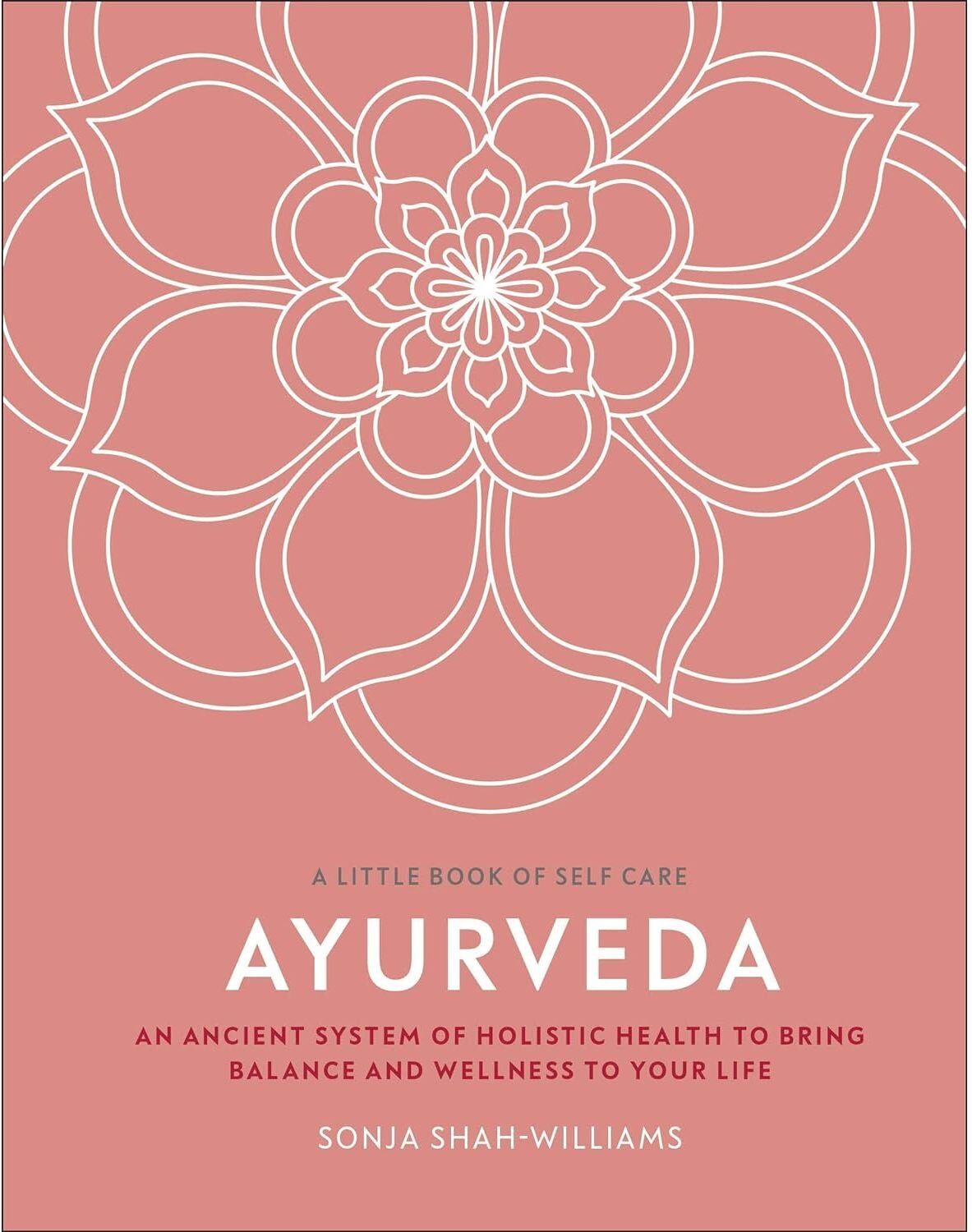
DK Ayurveda: An Ancient System of Holistic Health to Bring Balance and Wellness to Your Life (A Little Book of Self Care)Make Ayurveda an indispensable part of your daily routine with this step-by-step guide to holistic balance and wellness. For a natural approach to self-healing, alternative medicine, and wellness, expert Sonja Shah-Williams has tailored remedies including Ayurveda recipes, skincare, yoga, and mindful meditation techniques. Harness the power of alternative therapies and discover: - What Ayurveda is and the benefits of the practice - Easy to follow, step by step illustrated guide to Ayurvedic practices - Ayurvedic super-foods and recipes - How to easily incorporate holistic practices into daily life - Positive affirmations, mindfulness techniques and exercises Modern science has proved the effectiveness of Ayurveda as a view of the world based on ancient beliefs that everything is connected and that balance is the key to wellbeing. Ayurveda focuses on the prevention of disease by focusing on anti-inflammatory diets, mindful meditation, and massages. This practical guide is an Ayurvedic consultation at your disposal. This little self-care book will take you on a breathtaking journey of holistic healing. It begins by unpacking what Ayurveda is and the benefits of the practice. This reference book includes wellness practices designed to uplift the mind, body, and spirit and healing treatments designed to address, relieve, and help cure a range of common conditions.4,95 £*Shipping: 1,99 £Secure redirect to the provider
-
Inspire Picks Cozy Therm Self Warming Cat Mat With Heat Retention Technology lGive your pet a warm and cozy place to relax with this self warming cat mat designed to provide comfort in every season. Featuring heatretention technology, this soft pet bed pad reflects your pet's natural body warmth to create a comfortable...36,12 $*Shipping: 0,00 $Secure redirect to the provider
-
HQ Menopausing Book – Sunday Times Bestselling Women’s Health & Self-Care GuideMenopausing by Davina McCall, co-written with Dr Naomi Potter, is a groundbreaking, empowering and deeply informative guide designed to support women through every stage of the menopause. Combining personal stories, medical facts, expert advice and practical guidance, this bestselling book demystifies menopause, busts myths, and provides clear, accessible information about: Menopause symptoms Hormonal changes Perimenopause HRT (Hormone Replacement Therapy) Mental health & mood changes Sleep issues, brain fog & energy levels Nutrition, fitness & lifestyle support How to seek help and talk to healthcare professionals Davina’s honest and relatable voice—paired with Dr Potter’s medical expertise—makes this book an essential resource for women of all ages, their families, and anyone wanting to better understand menopause. Perfect for readers who want clarity, confidence, and support on their menopause journey. Bestselling menopause guide by Davina McCall & Dr Naomi Potter Covers perimenopause, menopause, symptoms, hormones & emotional wellbeing Clear, evidence-based information about HRT and treatment options Supports mental health, mood, energy & lifestyle changes Honest stories, expert advice & practical tools for everyday life Perfect for women preparing for or experiencing menopause Ideal gift for women 40+, healthcare students, or wellbeing readers6,99 £*Shipping: 2,99 £Secure redirect to the provider
-
What is the difference between self-pollination and cross-pollination?
Self-pollination occurs when pollen from the same plant fertilizes the ovules within the same flower or between different flowers on the same plant. This can happen through the transfer of pollen by wind, water, or self-pollinating mechanisms. On the other hand, cross-pollination involves the transfer of pollen from the male reproductive organ of one plant to the female reproductive organ of another plant of the same species. This process promotes genetic diversity and can result in stronger, more resilient offspring. **
-
What are the advantages and disadvantages of self-pollination in plants?
Self-pollination in plants has advantages such as ensuring reproductive success even in isolated or small populations, as it does not rely on external agents like wind or insects for pollination. This can lead to faster and more efficient reproduction. However, self-pollination can also result in reduced genetic diversity within a population, making plants more susceptible to diseases and environmental changes. It can also limit the potential for beneficial genetic variations to arise through cross-pollination. **
-
What is pollination in flowers?
Pollination in flowers is the process by which pollen from the male reproductive organs (anthers) of a flower is transferred to the female reproductive organs (stigma) of the same or another flower, leading to fertilization and the production of seeds. This transfer of pollen can occur through various means, including wind, water, and animals such as bees, butterflies, and birds. Pollination is essential for the reproduction of flowering plants and the production of fruits and seeds. **
-
How does pollination occur in insects?
Pollination in insects occurs when they visit flowers in search of nectar or pollen. As they feed, they inadvertently brush against the reproductive parts of the flower, picking up pollen grains. When the insect moves to another flower of the same species, some of this pollen is transferred to the stigma, fertilizing the flower. This process allows for the successful reproduction of many plant species with the help of insect pollinators. **
Similar search terms for Self-pollination
-
Our Voices: Neighborhood & Community Boxed SetFoster a feeling of belonging while building key reading skills with these colorful storybooks that spotlight a variety of neighborhoods and communities. The 10 charming stories feature characters from different cultural backgrounds who learn about...32,37 $*Shipping: 0,00 $Secure redirect to the provider
-
DK Practical Ayurveda by Sivananda Yoga Vedanta Centre - Hardback Wellness Guide to Doshas, Diet, Yoga & Natural Self-Care BalanceDiscover the principles of Ayurveda, a traditional Indian system of medicine, with this beautifully presented hardback guide. Written by the Sivananda Yoga Vedanta Centre, it helps readers identify their unique dosha, or mind-body constitution, and provides practical advice on how to restore balance through small daily adjustments to diet, movement, sleep, and mindset. The book includes clear, accessible, and richly illustrated guidance suitable for both beginners and experienced wellness seekers. It opens with simple self-assessment tools to help readers determine whether they are predominantly Vata, Pitta, or Kapha, and chapters cover nutrition, movement, and other aspects of Ayurvedic living. Published by DK, this hardback edition is a comprehensive introduction to the science of life, which views health as a state of balance between body, mind, and spirit.7,99 £*Shipping: 2,99 £Secure redirect to the provider
-
Shark Detect Lift-Away ADV Corded Upright Vacuum with PowerFins Detect, Self-Cleaning Brushroll, and Odor Neutralizer TechnologyThe Shark DETECT Lift-Away corded upright vacuum combines powerful suction with cutting-edge Detect Technology for an ultra-powerful clean.379,99 $*Shipping: 0,00 $Secure redirect to the provider
-
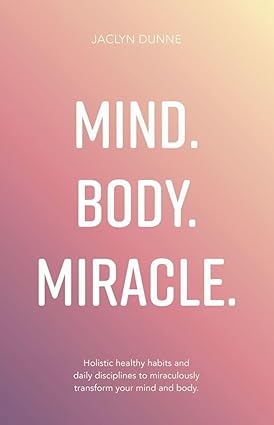
Rethink Press Mind Body Miracle by Jaclyn Dunne - Holistic Healthy Habits & Daily Disciplines Paperback - Wellness & Self-Help Non-Fiction BookMind Body Miracle is a practical wellness guide for anyone looking to reset their habits and reclaim their energy. Jaclyn Dunne distills years of coaching experience into a toolkit of daily disciplines covering mindset, nutrition, and movement. This book focuses on small, sustainable actions that compound into lasting change, making it an accessible companion for busy professionals, parents, and anyone seeking clarity, focus, and better health. The book is written by Jaclyn Dunne and published by Rethink Press, making it a valuable resource for those looking to improve their overall well-being.2,99 £*Shipping: 2,99 £Secure redirect to the provider
-
What forms of pollination exist in primroses?
Primroses exhibit both self-pollination and cross-pollination. Self-pollination occurs when the plant's own pollen fertilizes its own ovules, leading to genetic uniformity. Cross-pollination, on the other hand, involves the transfer of pollen from one plant to another, promoting genetic diversity. Primroses can be pollinated by insects, such as bees and butterflies, as well as by wind. **
-
How does the pollination of insects occur?
Insect pollination occurs when insects, such as bees, butterflies, and beetles, visit flowers in search of nectar or pollen. As they move from flower to flower, they inadvertently transfer pollen from the male reproductive parts of one flower to the female reproductive parts of another. This transfer of pollen allows for fertilization and the production of seeds and fruits. Insects are attracted to flowers by their colors, scents, and nectar, and in the process of feeding, they facilitate the crucial process of pollination. **
-
What terms exist for external and internal pollination?
External pollination occurs when pollen is transferred between flowers by an external agent, such as wind, water, or animals. Internal pollination, on the other hand, occurs when pollen is transferred within the same flower or between flowers of the same plant. Both types of pollination are essential for the reproduction of many plant species. **
-
Do grapes only grow with pollination by bees?
No, grapes do not require pollination by bees to grow. Grapes are self-pollinating plants, meaning they have both male and female reproductive parts within the same flower, allowing them to pollinate themselves. While bees can help with pollination and increase grape yields, they are not necessary for grape production. **
* All prices are inclusive of VAT and, if applicable, plus shipping costs. The offer information is based on the details provided by the respective shop and is updated through automated processes. Real-time updates do not occur, so deviations can occur in individual cases. ** Note: Parts of this content were created by AI.