Buy forumtrzeciegowieku.pl ?
We are moving the project
forumtrzeciegowieku.pl .
Are you interested in purchasing the domain
forumtrzeciegowieku.pl ?
domain@kv-gmbh.de · 0541-91531010
Buy forumtrzeciegowieku.pl ?
What is agnosticism?
Agnosticism is the belief that the existence of God or a higher power is unknown or unknowable. Agnostics do not claim to have definitive knowledge about the existence or non-existence of a deity, and they often take a skeptical or neutral stance on the topic of religion. Agnosticism is different from atheism, which asserts that there is no God, and from theism, which asserts that there is a God. **
Is agnosticism neutral or not?
Agnosticism is often considered neutral because it is the belief that the existence of a higher power or ultimate truth is unknown or unknowable. Agnostics do not claim to have knowledge or certainty about the existence of a deity or spiritual realm, which can be seen as a neutral stance. However, some argue that agnosticism is not entirely neutral as it implies a skepticism or doubt towards religious claims and can be seen as a rejection of absolute certainty in favor of open-mindedness and critical thinking. Ultimately, whether agnosticism is considered neutral or not may depend on individual perspectives and interpretations. **

Similar search terms for Agnosticism
Top-Angebote
Products related to Agnosticism:
-
HOMETRACK™ Home Gym by North American Health+Wellness in Black BlueLoosen joints, gain strength, flexibility and mobility in a sitting position at home. All-in-one system for upper and lower body to help Improve circulation, balance and core strength. Low-impact resistance bands to help tone arms. Tri-directional...169,99 $*Shipping: 25,58 $Secure redirect to the provider
-
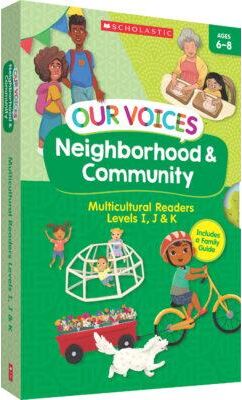
Our Voices: Neighborhood & Community Boxed SetFoster a feeling of belonging while building key reading skills with these colorful storybooks that spotlight a variety of neighborhoods and communities. The 10 charming stories feature characters from different cultural backgrounds who learn about...32,37 $*Shipping: 0,00 $Secure redirect to the provider
-
Mattel Barbie Medical Roleplay Doctor Health Education Series Doll for Kids, Ages 3-12, Educational Toy, Roleplay DoctorMeet the Mattel Barbie Medical Roleplay Doctor, a Health Education Series doll that invites gentle, imaginative healthcare play into your home. It supports curious conversations about wellbeing, doctor visits, and caring stories, while its distinctive design makes it a welcome companion for playrooms, nurseries, and classroom corners. The doll's roleplay scenarios align with early science and wellbeing topics, helping children name feelings, practice listening, and explore compassionate care. Collectors will appreciate how the doll fits alongside other figures for shelf display, and parents will value the care that comes with purchasing from a UK family-run shop. A thoughtful addition to a growing collection, it invites kindness, curiosity, and creative pretend play.10,89 £*Shipping: 3,95 £Secure redirect to the provider
-
440 lbs. Weight Capacity Non-Slip Outdoor Step by North American Health+Wellness in Gray"Large platform makes it easier for those with limited ability to lift their feet and remain steady while stepping up. Comes with a slip-resistant rubber mat. Dimensions: 19 1/4""W x 15 1/2""L x 4""HPP/LDPE/TPRMax. weight: 440 lbs.Use on flat..."49,99 $*Shipping: 16,98 $Secure redirect to the provider



-
What is agnosticism in your own words?
Agnosticism is the belief that the existence of God or a higher power cannot be known or proven. Agnostics do not claim to have knowledge or certainty about the existence of a deity, and they may be open to the possibility of a higher power but do not adhere to any specific religious beliefs. Agnosticism is often characterized by a skepticism towards religious claims and a focus on the limitations of human understanding when it comes to matters of the divine. **
-
What is the difference between agnosticism and atheism?
Agnosticism is the belief that the existence of a higher power or deity is unknown or unknowable. Agnostics do not claim to know whether a god or gods exist or not. Atheism, on the other hand, is the lack of belief in the existence of any deities. Atheists do not believe in the existence of any gods or higher powers. While agnostics are unsure or skeptical about the existence of a higher power, atheists outright reject the belief in any deity. **
-
How can one transition from Islam to agnosticism?
Transitioning from Islam to agnosticism can be a deeply personal and complex journey. It may involve questioning and reevaluating one's beliefs, seeking out different perspectives and information, and engaging in introspection and self-reflection. It can also involve finding support from others who have gone through similar experiences and exploring different spiritual or philosophical paths. Ultimately, the transition to agnosticism may involve embracing uncertainty and being open to the idea that there may not be definitive answers to questions about the existence of a higher power or the nature of the universe. **
-
What is the difference between atheism and agnosticism?
Atheism is the belief that there is no god or gods, while agnosticism is the belief that the existence of god or gods is unknown or unknowable. Atheists actively deny the existence of a higher power, while agnostics simply claim that the existence of a higher power cannot be proven or disproven. In other words, atheism is a belief in the absence of a god, while agnosticism is a lack of belief in the presence or absence of a god. **

What religions are there, such as Christianity, Islam, Agnosticism, etc.?
There are many religions practiced around the world, including Christianity, Islam, Hinduism, Buddhism, Judaism, Sikhism, and many others. Additionally, there are belief systems such as agnosticism, atheism, and secular humanism that do not adhere to a specific religious tradition. Each of these religions and belief systems has its own unique set of beliefs, practices, and traditions. **
What are some problematic questions related to atheism and agnosticism?
Some problematic questions related to atheism and agnosticism include: 1. "How can you be moral without belief in a higher power?" This question assumes that morality is dependent on religious belief, which is not necessarily the case. 2. "Why don't you believe in God?" This question can be seen as confrontational and may put atheists and agnostics on the defensive. 3. "Are you just angry at God?" This question assumes that non-belief is rooted in emotion rather than rational thought. 4. "What if you're wrong?" This question can be seen as dismissive of an individual's beliefs and can be perceived as condescending. **
Top-Angebote
Products related to Agnosticism:
-
Inspired Finds DPL Red Light Skin Rejuvenation Device With Infrared Cooling Technology For Anti Aging Skin Care DPL Red Light Skin Rejuvenation Device With Infrared Cooling Technology For Anti Aging Skin CareReveal a brighter, smootherlooking complexion with this red light therapy device designed to elevate your daily skincare routine. This skin rejuvenation device combines DPL light technology, infrared therapy, and a cooling treatment head to provide...281,99 $*Shipping: 0,00 $Secure redirect to the provider
-
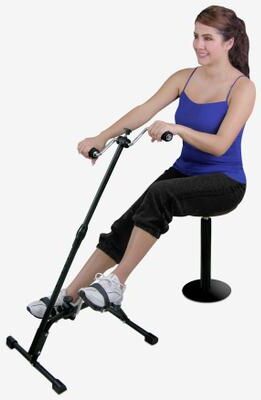
HOMETRACK™ Total Body Exerciser by North American Health+Wellness in Black"Pedal your way to fitness with this adjustable machine featuring loops for extra security. Features adjustable height and tension control. Dimensions: 21 1/2""L x 17""W x 30 1/2""HLightweight and durableCompact for easy storageCarbon steel/polystyrene..."49,99 $*Shipping: 16,98 $Secure redirect to the provider
-
HOMETRACK™ Home Gym by North American Health+Wellness in Black BlueLoosen joints, gain strength, flexibility and mobility in a sitting position at home. All-in-one system for upper and lower body to help Improve circulation, balance and core strength. Low-impact resistance bands to help tone arms. Tri-directional...169,99 $*Shipping: 25,58 $Secure redirect to the provider
-
Our Voices: Neighborhood & Community Boxed SetFoster a feeling of belonging while building key reading skills with these colorful storybooks that spotlight a variety of neighborhoods and communities. The 10 charming stories feature characters from different cultural backgrounds who learn about...32,37 $*Shipping: 0,00 $Secure redirect to the provider
-
What is agnosticism?
Agnosticism is the belief that the existence of God or a higher power is unknown or unknowable. Agnostics do not claim to have definitive knowledge about the existence or non-existence of a deity, and they often take a skeptical or neutral stance on the topic of religion. Agnosticism is different from atheism, which asserts that there is no God, and from theism, which asserts that there is a God. **
-
Is agnosticism neutral or not?
Agnosticism is often considered neutral because it is the belief that the existence of a higher power or ultimate truth is unknown or unknowable. Agnostics do not claim to have knowledge or certainty about the existence of a deity or spiritual realm, which can be seen as a neutral stance. However, some argue that agnosticism is not entirely neutral as it implies a skepticism or doubt towards religious claims and can be seen as a rejection of absolute certainty in favor of open-mindedness and critical thinking. Ultimately, whether agnosticism is considered neutral or not may depend on individual perspectives and interpretations. **
-
What is agnosticism in your own words?
Agnosticism is the belief that the existence of God or a higher power cannot be known or proven. Agnostics do not claim to have knowledge or certainty about the existence of a deity, and they may be open to the possibility of a higher power but do not adhere to any specific religious beliefs. Agnosticism is often characterized by a skepticism towards religious claims and a focus on the limitations of human understanding when it comes to matters of the divine. **
-
What is the difference between agnosticism and atheism?
Agnosticism is the belief that the existence of a higher power or deity is unknown or unknowable. Agnostics do not claim to know whether a god or gods exist or not. Atheism, on the other hand, is the lack of belief in the existence of any deities. Atheists do not believe in the existence of any gods or higher powers. While agnostics are unsure or skeptical about the existence of a higher power, atheists outright reject the belief in any deity. **
Similar search terms for Agnosticism
-
Mattel Barbie Medical Roleplay Doctor Health Education Series Doll for Kids, Ages 3-12, Educational Toy, Roleplay DoctorMeet the Mattel Barbie Medical Roleplay Doctor, a Health Education Series doll that invites gentle, imaginative healthcare play into your home. It supports curious conversations about wellbeing, doctor visits, and caring stories, while its distinctive design makes it a welcome companion for playrooms, nurseries, and classroom corners. The doll's roleplay scenarios align with early science and wellbeing topics, helping children name feelings, practice listening, and explore compassionate care. Collectors will appreciate how the doll fits alongside other figures for shelf display, and parents will value the care that comes with purchasing from a UK family-run shop. A thoughtful addition to a growing collection, it invites kindness, curiosity, and creative pretend play.10,89 £*Shipping: 3,95 £Secure redirect to the provider
-
440 lbs. Weight Capacity Non-Slip Outdoor Step by North American Health+Wellness in Gray"Large platform makes it easier for those with limited ability to lift their feet and remain steady while stepping up. Comes with a slip-resistant rubber mat. Dimensions: 19 1/4""W x 15 1/2""L x 4""HPP/LDPE/TPRMax. weight: 440 lbs.Use on flat..."49,99 $*Shipping: 16,98 $Secure redirect to the provider
-
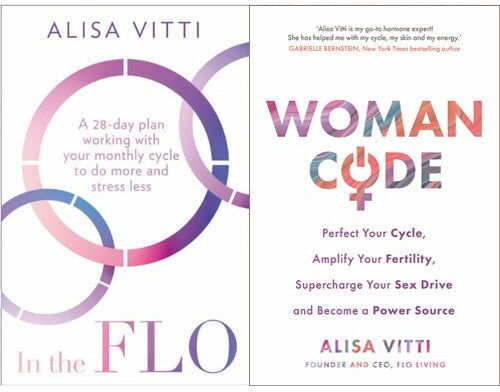
Reader's Library Classics In the FLO & Womancode 2 Books Collection Set – Women’s Health & Wellness CollectionIn the FLO A 28-day plan working with your monthly cycle to do more & Womancode: Perfect Your Cycle Amplify Your Fertility Supercharge Your Sex Drive By Alisa Vitti 2 Books Collection Set In the FLO A 28-day plan working with your monthly cycle to do more and stress less: In the Flo teaches women how to use their 28-day cycle to optimize their life by letting their internal clock and natural rhythms guide time management, diet, fitness, etc. (This is so simple and yet under-utilized it is shocking. It makes perfect sense when you think about it: You have different energy levels at different times of the month, different libido levels, etc. so why not use foresight to plan projects for when you are at your most effective, and understand when you need more emotional connection with others?) Womancode Perfect Your Cycle, Amplify Your Fertility, Supercharge Your Sex Drive: Alisa Vitti found herself suffering through the symptoms of polycystic ovarian syndrome (PCOS), and was able to heal herself through food and lifestyle changes. Relieved and reborn, she made it her mission to empower other women to be able to do the same. As she says, 'Hormones affect everything. Have you ever struggled with acne, oily hair, dandruff, dry skin, cramps, headaches, irritability, exhaustion, constipation, irregular cycles, heavy bleeding, clotting, shedding hair, weight gain, anxiety, insomnia, infertility, lowered sex drive, or bizarre food cravings and felt like your body was just irrational?' With this breadth of symptoms, improving hormonal health is a goal for women at every stage of their lives Alisa Vitti says that medication and anti-depressants aren't the only solutions.14,90 £*Shipping: 2,99 £Secure redirect to the provider
-
Inspire Select 2025 Health Smart Watch AMOLED Bluetooth Call Fitness Tracker With ECG & Wellness Monitoring pinkStay connected while monitoring your daily wellness with this advanced health smart watch designed for fitness, lifestyle tracking, and smart convenience. Featuring a stunning AMOLED smartwatch display, Bluetooth calling, ECG monitoring, and...299,96 $*Shipping: 0,00 $Secure redirect to the provider
-
How can one transition from Islam to agnosticism?
Transitioning from Islam to agnosticism can be a deeply personal and complex journey. It may involve questioning and reevaluating one's beliefs, seeking out different perspectives and information, and engaging in introspection and self-reflection. It can also involve finding support from others who have gone through similar experiences and exploring different spiritual or philosophical paths. Ultimately, the transition to agnosticism may involve embracing uncertainty and being open to the idea that there may not be definitive answers to questions about the existence of a higher power or the nature of the universe. **
-
What is the difference between atheism and agnosticism?
Atheism is the belief that there is no god or gods, while agnosticism is the belief that the existence of god or gods is unknown or unknowable. Atheists actively deny the existence of a higher power, while agnostics simply claim that the existence of a higher power cannot be proven or disproven. In other words, atheism is a belief in the absence of a god, while agnosticism is a lack of belief in the presence or absence of a god. **
-
What religions are there, such as Christianity, Islam, Agnosticism, etc.?
There are many religions practiced around the world, including Christianity, Islam, Hinduism, Buddhism, Judaism, Sikhism, and many others. Additionally, there are belief systems such as agnosticism, atheism, and secular humanism that do not adhere to a specific religious tradition. Each of these religions and belief systems has its own unique set of beliefs, practices, and traditions. **
-
What are some problematic questions related to atheism and agnosticism?
Some problematic questions related to atheism and agnosticism include: 1. "How can you be moral without belief in a higher power?" This question assumes that morality is dependent on religious belief, which is not necessarily the case. 2. "Why don't you believe in God?" This question can be seen as confrontational and may put atheists and agnostics on the defensive. 3. "Are you just angry at God?" This question assumes that non-belief is rooted in emotion rather than rational thought. 4. "What if you're wrong?" This question can be seen as dismissive of an individual's beliefs and can be perceived as condescending. **
* All prices are inclusive of VAT and, if applicable, plus shipping costs. The offer information is based on the details provided by the respective shop and is updated through automated processes. Real-time updates do not occur, so deviations can occur in individual cases. ** Note: Parts of this content were created by AI.