Buy forumtrzeciegowieku.pl ?
We are moving the project
forumtrzeciegowieku.pl .
Are you interested in purchasing the domain
forumtrzeciegowieku.pl ?
domain@kv-gmbh.de · 0541-91531010
Buy forumtrzeciegowieku.pl ?
What are the differences between Buddhism and Tibetan Buddhism?
Buddhism is a broader religion that encompasses various traditions and schools, while Tibetan Buddhism is a specific branch of Buddhism that developed in Tibet. Tibetan Buddhism incorporates elements of Tibetan culture, such as rituals, deities, and practices like chanting and visualization. It also places a strong emphasis on the teachings of Tibetan Buddhist masters and the importance of the Dalai Lama. Additionally, Tibetan Buddhism includes unique practices such as the use of prayer flags, prayer wheels, and mandalas. **
What is the difference between Buddhism and Zen Buddhism?
Buddhism is a broader religion and philosophy that encompasses a variety of traditions and practices, while Zen Buddhism is a specific school or branch of Mahayana Buddhism that emphasizes meditation and direct experience of enlightenment. Zen Buddhism places a strong emphasis on the practice of meditation (zazen) as a means to achieve enlightenment, while traditional Buddhism incorporates a wider range of practices such as chanting, rituals, and study of Buddhist scriptures. Additionally, Zen Buddhism often focuses on the teachings of specific Zen masters and the importance of the teacher-student relationship in transmitting wisdom and insight. **


Similar search terms for Buddhism
Top-Angebote
Products related to Buddhism:
-
Shambhala Publications Inc Meditators Guide To Buddhism: The Path Of Awareness, Compassion And Wisdom - Non Fiction - PaperbackTitle:. The Meditator’s Guide to Buddhism: The Path of Awareness, Compassion, and Wisdom Format: Paperback Overview:. This paperback guide instantly bridges millennia of contemplative tradition with actionable daily routines designed specifically for modern practitioners seeking sustainable mental clarity. Authored by Bhikkhu Anāyaso, an experienced Theravāda monk and dedicated educator, the volume strips away abstract philosophy to focus entirely on hands-on experiential learning. Readers progress through carefully sequenced techniques including mindful breathing protocols, systematic body scanning, loving-kindness cultivation, and structured insight meditation drills. Each chapter establishes a manageable practice window, providing explicit pacing instructions that adapt naturally to busy urban lifestyles and beginner skill sets. The prose remains exceptionally grounded, deliberately avoiding heavy academic terminology while preserving the precise psychological mechanisms behind each technique. Rather than offering fleeting stress relief tactics, the text cultivates enduring emotional regulation, deep concentration, and genuine ethical awareness. Professionals, students, and lifelong learners alike benefit from a non-fiction format that prioritizes measurable inner development over theoretical debate. Every exercise connects directly to observable changes in thought patterns and stress response, ensuring that ancient wisdom translates reliably into everyday resilience. The thoughtful layout further supports active study, allowing readers to track personal milestones and revisit foundational concepts whenever routines slip. What Makes This Book Stand Out:. Unlike surface-level mindfulness compilations that extract isolated techniques from their cultural context, this volume roots every exercise firmly within established Buddhist psychology and ethical development. The author deliberately maps each meditation method to its intended neurological and emotional outcome, demonstrating precisely how compassion practices dismantle habitual reactivity or how systematic observation gradually loosens rigid cognitive attachments. Routine instructions include dedicated troubleshooting sections that address common physical discomforts, lingering restless thoughts, and frustrating plateaus, transforming potential failures into predictable learning steps. Traditional lineages historically relied on oral transmission or specialized manuscripts, yet this publication successfully condenses those rigorous methodologies into straightforward English without sacrificing transformative depth. The paperback structure actively encourages tactile engagement, featuring clearly demarcated practice segments, reflective journaling cues, and gradual difficulty escalators so readers never encounter confusion or burnout. Sustainable mental stability emerges organically rather than through forced intensity, perfectly aligning with modern wellness objectives while maintaining...17,99 £*Shipping: 2,99 £Secure redirect to the provider
-
Hay House Uk One Spirit Medicine Ancient Ways To Ultimate Wellness Holistic Health And Wellness PaperbackTitle:. One Spirit Medicine: Ancient Ways to Ultimate Wellness Format: Paperback Overview:. Discover a transformative path to holistic harmony with *One Spirit Medicine: Ancient Ways to Ultimate Wellness*, a profound paperback guide by author Rudhy Gentis that bridges timeless indigenous wisdom with contemporary needs. This essential read delves into the rich tapestry of Native American traditions, offering readers deep insights into the spiritual, physical, and mental dimensions of true health. Gentis explores how ancient ceremonies, rituals, and connections to nature serve as foundational pillars for achieving ultimate wellness in today's fast-paced world. Moving beyond simple dietary advice or temporary fixes, the book presents a unified approach where mind, body, and spirit work in concert. You will encounter teachings on harnessing inner strength, respecting the earth, and aligning with natural rhythms to restore balance. Whether you are seeking solace from modern stressors or wishing to deepen your understanding of shamanic practices, this work serves as a compass toward a more enriched life. The pages unfold practical perspectives on healing through community, meditation, and reverence for the sacred elements, making it a vital resource for anyone dedicated to living authentically and cultivating lasting peace. This volume stands as a testament to the enduring power of ancestral knowledge, inviting you to embrace a lifestyle where every breath honors the interconnected web of life. What Makes This Book Stand Out:. What distinguishes *One Spirit Medicine* is its ability to translate complex spiritual concepts into accessible, actionable guidance without losing the sanctity of the source material. Unlike generic wellness manuals that treat health in isolation, this book insists on the inextricable link between emotional resilience, environmental stewardship, and spiritual awakening. Gentis draws upon personal journeys and observed transformations to illustrate how ancient practices can revitalize modern routines. Readers will find a refreshing honesty in the exploration of challenges faced along the path of healing, acknowledging that true wellness requires vulnerability and consistent effort. The narrative weaves together themes of forgiveness, gratitude, and the restoration of relationships with oneself and others, presenting a roadmap for overcoming the fragmentation caused by contemporary society. Furthermore, the use of metaphor and storytelling enhances the learning experience, ensuring that lessons resonate deeply rather than remaining as abstract theories. This emphasis on experiential understanding over dogma makes the text a companion for ongoing growth, capable of revealing new layers of meaning each time it is revisited. It empowers individuals to take ownership of their well-being by drawing on universal forces available within and around them. Who This Book Is Perfect For:. This book is perfectly suited for individuals embarked...12,99 £*Shipping: 2,99 £Secure redirect to the provider
-
Watkins Publishing Zen and the Art of Dealing with Difficult People by Mark Westmoquette - Paperback - Mindfulness & Zen Buddhism Guide for Adults - UK EditionZen and the Art of Dealing with Difficult People is a thoughtful, practical guide for anyone who has ever felt wound up, drained, or triggered by another person. Drawing on Zen Buddhism and mindfulness practice, astrophysicist-turned-meditation-teacher Mark Westmoquette shows readers how to recognise recurring patterns in their reactions to "difficult" people and use these encounters as opportunities for genuine personal growth, rather than sources of ongoing frustration and pain. Every one of us has at least one "troublesome Buddha" in our lives—a colleague, relative, friend, or stranger whose behaviour seems to press all our buttons. This book argues that these people are not simply obstacles to be endured, but mirrors that reveal our own unexamined habits, fears, and conditioning. Using accessible explanations of Zen philosophy alongside structured mindful practice, Westmoquette provides a roadmap for navigating challenging interactions with composure. Published by Watkins Publishing, this paperback edition is designed for adult readers seeking a grounded approach to interpersonal dynamics.3,99 £*Shipping: 2,99 £Secure redirect to the provider
-
Richard J. Davidson & Cortland Dahl & Yongey Mingyur Rinpoche Born to Flourish, Meditator's Guide to Buddhism 2 Books Collection Set - Non Fiction - Mixed FormatTitles in This Set:. Born to Flourish[Hardcover]. Meditator's Guide to Buddhism Condition: A Condition:BRAND NEW. Format: Mixedlot. ISBN: 9784526616679 Overview:. Two books, two paths to flourishing. Born to Flourish blends science and sages to offer a practical blueprint for thriving in a world shaped by mental health challenges—depression, loneliness, and distraction are now part of everyday life for many readers. In this collaborative work, Richard J. Davidson, a renowned neuroscientist, joins Cortland Dahl, Buddhist scholar and meditation teacher, to sketch a roadmap for resilience, compassion, and unshakeable happiness. The companion volume, Meditator's Guide to Buddhism by Cortland Dahl, invites readers to walk the path of Buddhist practice. Dahl distills the Four Noble Truths, practical observations that will help you understand the causes of unhappiness, and how you can access inner calm and deep insight through meditation. The journey continues with teachings on compassion, buddha nature, and the profound principle of emptiness, before culminating in a discussion of meditation practices that use common experiences like dreams and strong emotions to awaken. Through accessible teachings and relatable stories, you will learn simple methods to transform your mind and embrace true, unshakeable happiness. This mixed-format collection delivers both a science-informed and practice-based approach to flourishing, ideal for curious newcomers and seasoned practitioners alike. What Makes This Collection Special:. Two books, two ways to approach well-being: top-tier science meets timeless practice. Born to Flourish grounds readers in neuroscience about plasticity, reward, and well-being while offering actionable strategies—habits, routines, and mindset shifts—that help you build a thriving life. Meditator's Guide to Buddhism expands your inner world with a clear map of Buddhist psychology and meditation practices. The pairing supports a holistic journey from brain to breath; it allows readers to cross-train—understanding the mind with evidence-based insights and applying compassion, presence, and wisdom in daily life. The collection is a ready-made library for mental fitness, mindful leadership, bedtime reflection, or a thoughtful gift for graduates and readers seeking mental clarity. The hardcover edition of Born to Flourish adds a premium presence on shelves, while the mixed-format pairing ensures flexible reading experiences for different preferences. Books Included in This Collection:. Born to Flourish[Hardcover]. Born to Flourish[Hardcover] is a collaborative work by Richard J. Davidson and Cortland Dahl. It merges cutting-edge neuroscience with ancient wisdom to chart a practical course toward flourishing. Readers discover how habits shape the brain, why meaningful social connection matters, and how compassion becomes a daily practice rather than a lofty ideal. With accessible explanations and step-by-step exercises, the book translates complex...99,99 £*Shipping: 0,00 £Secure redirect to the provider


-
Is Buddhism illogical?
Buddhism is not inherently illogical. It is a complex and diverse belief system that encompasses a wide range of philosophical and ethical teachings. While some aspects of Buddhist doctrine may seem counterintuitive or difficult to understand from a Western perspective, they are based on a different cultural and philosophical framework. Many Buddhist teachings emphasize the importance of critical thinking and personal experience, and encourage followers to question and explore their beliefs. Ultimately, whether Buddhism is considered logical or not may depend on one's own perspective and understanding of its teachings. **
-
What is the difference between Zen Buddhism and regular Buddhism?
The main difference between Zen Buddhism and regular Buddhism lies in their approach to meditation and enlightenment. Zen Buddhism, which originated in China and later developed in Japan, emphasizes the practice of meditation (zazen) as the primary means to attain enlightenment. It focuses on direct experience and intuitive understanding, often through the guidance of a teacher. Regular Buddhism, on the other hand, encompasses a variety of traditions and practices, with meditation being just one of them. It places more emphasis on the study of scriptures, ethical conduct, and the development of wisdom and compassion. While both Zen Buddhism and regular Buddhism share the same core teachings of the Four Noble Truths and the Eightfold Path, their methods and emphasis on practice differ. **
-
What does Buddhism teach?
Buddhism teaches the Four Noble Truths, which are the truths of suffering, the cause of suffering, the end of suffering, and the path to the end of suffering. It also emphasizes the importance of mindfulness, compassion, and non-attachment. Buddhism teaches that all beings are interconnected and that the ultimate goal is to achieve enlightenment and liberation from the cycle of birth and death (samsara). **
-
What is Zen Buddhism?
Zen Buddhism is a school of Mahayana Buddhism that originated in China during the Tang dynasty and later spread to Japan. It emphasizes the practice of meditation (zazen) and the direct experience of enlightenment, or awakening. Zen teachings often focus on the concept of emptiness, impermanence, and the importance of living in the present moment. It is known for its minimalist approach, simplicity, and the use of paradoxical statements (koans) to provoke insight and break through conceptual thinking. **

Does Buddhism exclude Christianity?
Buddhism does not necessarily exclude Christianity. Both religions have different beliefs and practices, but individuals can choose to follow aspects of both faiths if they wish. Some people may find that certain teachings or practices from both Buddhism and Christianity complement each other, allowing them to incorporate elements of both into their spiritual beliefs. Ultimately, it is up to the individual to decide how they want to integrate different aspects of these religions into their own belief system. **
What makes Buddhism attractive?
Buddhism is attractive to many because of its emphasis on inner peace, mindfulness, and compassion. The teachings of Buddhism offer practical tools for dealing with suffering and finding contentment in the present moment. The focus on personal growth and self-awareness also appeals to those seeking spiritual fulfillment. Additionally, the inclusive nature of Buddhism, which welcomes people from all backgrounds and beliefs, makes it a welcoming and accessible path for many. **
Top-Angebote
Products related to Buddhism:
-
The Little Book Of Buddhism: Dalai Lama by Dalai Lama (HB)Description. Discover Buddhism with the world's most revered spiritual leader. This jewel of a book offers the core teachings on Buddhism applicable in daily life from His Holiness the Dalai Lama.. This is a classic timeless collection of advice and teachings about the importance of love and compassion, individual responsibility and awareness of the problems in everyday life.. Whoever you are, whatever your beliefs, the Dalai Lama’s words have the power to calm and inspire.. Title. The Little Book Of Buddhism: Dalai Lama by Dalai Lama (HB). Delivery. Content. Reviews6,50 £*Shipping: 2,99 £Secure redirect to the provider
-
Shambhala Publications Inc Meditators Guide To Buddhism: The Path Of Awareness, Compassion And Wisdom - Non Fiction - PaperbackTitle:. The Meditator’s Guide to Buddhism: The Path of Awareness, Compassion, and Wisdom Format: Paperback Overview:. This paperback guide instantly bridges millennia of contemplative tradition with actionable daily routines designed specifically for modern practitioners seeking sustainable mental clarity. Authored by Bhikkhu Anāyaso, an experienced Theravāda monk and dedicated educator, the volume strips away abstract philosophy to focus entirely on hands-on experiential learning. Readers progress through carefully sequenced techniques including mindful breathing protocols, systematic body scanning, loving-kindness cultivation, and structured insight meditation drills. Each chapter establishes a manageable practice window, providing explicit pacing instructions that adapt naturally to busy urban lifestyles and beginner skill sets. The prose remains exceptionally grounded, deliberately avoiding heavy academic terminology while preserving the precise psychological mechanisms behind each technique. Rather than offering fleeting stress relief tactics, the text cultivates enduring emotional regulation, deep concentration, and genuine ethical awareness. Professionals, students, and lifelong learners alike benefit from a non-fiction format that prioritizes measurable inner development over theoretical debate. Every exercise connects directly to observable changes in thought patterns and stress response, ensuring that ancient wisdom translates reliably into everyday resilience. The thoughtful layout further supports active study, allowing readers to track personal milestones and revisit foundational concepts whenever routines slip. What Makes This Book Stand Out:. Unlike surface-level mindfulness compilations that extract isolated techniques from their cultural context, this volume roots every exercise firmly within established Buddhist psychology and ethical development. The author deliberately maps each meditation method to its intended neurological and emotional outcome, demonstrating precisely how compassion practices dismantle habitual reactivity or how systematic observation gradually loosens rigid cognitive attachments. Routine instructions include dedicated troubleshooting sections that address common physical discomforts, lingering restless thoughts, and frustrating plateaus, transforming potential failures into predictable learning steps. Traditional lineages historically relied on oral transmission or specialized manuscripts, yet this publication successfully condenses those rigorous methodologies into straightforward English without sacrificing transformative depth. The paperback structure actively encourages tactile engagement, featuring clearly demarcated practice segments, reflective journaling cues, and gradual difficulty escalators so readers never encounter confusion or burnout. Sustainable mental stability emerges organically rather than through forced intensity, perfectly aligning with modern wellness objectives while maintaining...17,99 £*Shipping: 2,99 £Secure redirect to the provider
-
Hay House Uk One Spirit Medicine Ancient Ways To Ultimate Wellness Holistic Health And Wellness PaperbackTitle:. One Spirit Medicine: Ancient Ways to Ultimate Wellness Format: Paperback Overview:. Discover a transformative path to holistic harmony with *One Spirit Medicine: Ancient Ways to Ultimate Wellness*, a profound paperback guide by author Rudhy Gentis that bridges timeless indigenous wisdom with contemporary needs. This essential read delves into the rich tapestry of Native American traditions, offering readers deep insights into the spiritual, physical, and mental dimensions of true health. Gentis explores how ancient ceremonies, rituals, and connections to nature serve as foundational pillars for achieving ultimate wellness in today's fast-paced world. Moving beyond simple dietary advice or temporary fixes, the book presents a unified approach where mind, body, and spirit work in concert. You will encounter teachings on harnessing inner strength, respecting the earth, and aligning with natural rhythms to restore balance. Whether you are seeking solace from modern stressors or wishing to deepen your understanding of shamanic practices, this work serves as a compass toward a more enriched life. The pages unfold practical perspectives on healing through community, meditation, and reverence for the sacred elements, making it a vital resource for anyone dedicated to living authentically and cultivating lasting peace. This volume stands as a testament to the enduring power of ancestral knowledge, inviting you to embrace a lifestyle where every breath honors the interconnected web of life. What Makes This Book Stand Out:. What distinguishes *One Spirit Medicine* is its ability to translate complex spiritual concepts into accessible, actionable guidance without losing the sanctity of the source material. Unlike generic wellness manuals that treat health in isolation, this book insists on the inextricable link between emotional resilience, environmental stewardship, and spiritual awakening. Gentis draws upon personal journeys and observed transformations to illustrate how ancient practices can revitalize modern routines. Readers will find a refreshing honesty in the exploration of challenges faced along the path of healing, acknowledging that true wellness requires vulnerability and consistent effort. The narrative weaves together themes of forgiveness, gratitude, and the restoration of relationships with oneself and others, presenting a roadmap for overcoming the fragmentation caused by contemporary society. Furthermore, the use of metaphor and storytelling enhances the learning experience, ensuring that lessons resonate deeply rather than remaining as abstract theories. This emphasis on experiential understanding over dogma makes the text a companion for ongoing growth, capable of revealing new layers of meaning each time it is revisited. It empowers individuals to take ownership of their well-being by drawing on universal forces available within and around them. Who This Book Is Perfect For:. This book is perfectly suited for individuals embarked...12,99 £*Shipping: 2,99 £Secure redirect to the provider
-
What are the differences between Buddhism and Tibetan Buddhism?
Buddhism is a broader religion that encompasses various traditions and schools, while Tibetan Buddhism is a specific branch of Buddhism that developed in Tibet. Tibetan Buddhism incorporates elements of Tibetan culture, such as rituals, deities, and practices like chanting and visualization. It also places a strong emphasis on the teachings of Tibetan Buddhist masters and the importance of the Dalai Lama. Additionally, Tibetan Buddhism includes unique practices such as the use of prayer flags, prayer wheels, and mandalas. **
-
What is the difference between Buddhism and Zen Buddhism?
Buddhism is a broader religion and philosophy that encompasses a variety of traditions and practices, while Zen Buddhism is a specific school or branch of Mahayana Buddhism that emphasizes meditation and direct experience of enlightenment. Zen Buddhism places a strong emphasis on the practice of meditation (zazen) as a means to achieve enlightenment, while traditional Buddhism incorporates a wider range of practices such as chanting, rituals, and study of Buddhist scriptures. Additionally, Zen Buddhism often focuses on the teachings of specific Zen masters and the importance of the teacher-student relationship in transmitting wisdom and insight. **
-
Is Buddhism illogical?
Buddhism is not inherently illogical. It is a complex and diverse belief system that encompasses a wide range of philosophical and ethical teachings. While some aspects of Buddhist doctrine may seem counterintuitive or difficult to understand from a Western perspective, they are based on a different cultural and philosophical framework. Many Buddhist teachings emphasize the importance of critical thinking and personal experience, and encourage followers to question and explore their beliefs. Ultimately, whether Buddhism is considered logical or not may depend on one's own perspective and understanding of its teachings. **
-
What is the difference between Zen Buddhism and regular Buddhism?
The main difference between Zen Buddhism and regular Buddhism lies in their approach to meditation and enlightenment. Zen Buddhism, which originated in China and later developed in Japan, emphasizes the practice of meditation (zazen) as the primary means to attain enlightenment. It focuses on direct experience and intuitive understanding, often through the guidance of a teacher. Regular Buddhism, on the other hand, encompasses a variety of traditions and practices, with meditation being just one of them. It places more emphasis on the study of scriptures, ethical conduct, and the development of wisdom and compassion. While both Zen Buddhism and regular Buddhism share the same core teachings of the Four Noble Truths and the Eightfold Path, their methods and emphasis on practice differ. **
Similar search terms for Buddhism
-
Watkins Publishing Zen and the Art of Dealing with Difficult People by Mark Westmoquette - Paperback - Mindfulness & Zen Buddhism Guide for Adults - UK EditionZen and the Art of Dealing with Difficult People is a thoughtful, practical guide for anyone who has ever felt wound up, drained, or triggered by another person. Drawing on Zen Buddhism and mindfulness practice, astrophysicist-turned-meditation-teacher Mark Westmoquette shows readers how to recognise recurring patterns in their reactions to "difficult" people and use these encounters as opportunities for genuine personal growth, rather than sources of ongoing frustration and pain. Every one of us has at least one "troublesome Buddha" in our lives—a colleague, relative, friend, or stranger whose behaviour seems to press all our buttons. This book argues that these people are not simply obstacles to be endured, but mirrors that reveal our own unexamined habits, fears, and conditioning. Using accessible explanations of Zen philosophy alongside structured mindful practice, Westmoquette provides a roadmap for navigating challenging interactions with composure. Published by Watkins Publishing, this paperback edition is designed for adult readers seeking a grounded approach to interpersonal dynamics.3,99 £*Shipping: 2,99 £Secure redirect to the provider
-
Richard J. Davidson & Cortland Dahl & Yongey Mingyur Rinpoche Born to Flourish, Meditator's Guide to Buddhism 2 Books Collection Set - Non Fiction - Mixed FormatTitles in This Set:. Born to Flourish[Hardcover]. Meditator's Guide to Buddhism Condition: A Condition:BRAND NEW. Format: Mixedlot. ISBN: 9784526616679 Overview:. Two books, two paths to flourishing. Born to Flourish blends science and sages to offer a practical blueprint for thriving in a world shaped by mental health challenges—depression, loneliness, and distraction are now part of everyday life for many readers. In this collaborative work, Richard J. Davidson, a renowned neuroscientist, joins Cortland Dahl, Buddhist scholar and meditation teacher, to sketch a roadmap for resilience, compassion, and unshakeable happiness. The companion volume, Meditator's Guide to Buddhism by Cortland Dahl, invites readers to walk the path of Buddhist practice. Dahl distills the Four Noble Truths, practical observations that will help you understand the causes of unhappiness, and how you can access inner calm and deep insight through meditation. The journey continues with teachings on compassion, buddha nature, and the profound principle of emptiness, before culminating in a discussion of meditation practices that use common experiences like dreams and strong emotions to awaken. Through accessible teachings and relatable stories, you will learn simple methods to transform your mind and embrace true, unshakeable happiness. This mixed-format collection delivers both a science-informed and practice-based approach to flourishing, ideal for curious newcomers and seasoned practitioners alike. What Makes This Collection Special:. Two books, two ways to approach well-being: top-tier science meets timeless practice. Born to Flourish grounds readers in neuroscience about plasticity, reward, and well-being while offering actionable strategies—habits, routines, and mindset shifts—that help you build a thriving life. Meditator's Guide to Buddhism expands your inner world with a clear map of Buddhist psychology and meditation practices. The pairing supports a holistic journey from brain to breath; it allows readers to cross-train—understanding the mind with evidence-based insights and applying compassion, presence, and wisdom in daily life. The collection is a ready-made library for mental fitness, mindful leadership, bedtime reflection, or a thoughtful gift for graduates and readers seeking mental clarity. The hardcover edition of Born to Flourish adds a premium presence on shelves, while the mixed-format pairing ensures flexible reading experiences for different preferences. Books Included in This Collection:. Born to Flourish[Hardcover]. Born to Flourish[Hardcover] is a collaborative work by Richard J. Davidson and Cortland Dahl. It merges cutting-edge neuroscience with ancient wisdom to chart a practical course toward flourishing. Readers discover how habits shape the brain, why meaningful social connection matters, and how compassion becomes a daily practice rather than a lofty ideal. With accessible explanations and step-by-step exercises, the book translates complex...99,99 £*Shipping: 0,00 £Secure redirect to the provider
-
Fearne Cotton & Cortland Dahl & John Paul & Yongey Mingyur Rinpoche From Stress to Success, Calm, Meditator's Guide to Buddhism 3 Books Collection Set - Non FictionDescription. Titles in the Set :. Meditator's Guide to Buddhism. Calm. From Stress to Success. Condition:BRAND NEW. Format :Paperback. ISBN:9780113648153. Meditator's Guide to Buddhism. Buddhism is rooted in the simple idea that you can train your mind to suffer less and flourish more. In this experiential guide, Cortland Dahl will take you on a journey through the core principles and meditation practices of the Buddhist tradition. The journey begins with teachings on the Four Noble Truths, practical observations that will help you understand the causes of unhappiness, and how you can access inner calm and deep insight through meditation. The journey continues with teachings on compassion, buddha nature, and the profound principle of emptiness, before culminating in a discussion of meditation practices that use common experiences like dreams and strong emotions to awaken. Through accessible teachings and relatable stories, you will learn simple methods to transform your mind and embrace true, unshakeable happiness.. Calm. In today's always-on world, for many of us it seems impossible to relax, take time out or mute the encircling 'noise'. It is easy to feel trapped in this frenzied state of mind: we are surrounded by negative stories in the press, weighed down by pressures from work, family life or school and subject to constant scrutiny under the all-seeing eye of social media. As a result, mental health illnesses are on the rise in every age group, and more of us than ever before yearn for silence, peace and calm.. From Stress to Success. DO YOU OWN YOUR BUSINESS OR DOES YOUR BUSINESS OWN YOU? Most people who think they own a business, don't. They are simply self-employed. There is nothing wrong with being self-employed, but to truly own your business, it must be able to operate successfully without you. If your business can run without you, congratulations! You have a systemised business that you can scale, grow and perhaps even sell. If you are indispensable to your business, then this book was written for you. In FROM STRESS TO SUCCESS you will learn how to: * Review your existing processes so you can improve and systemise them * Write a detailed and usable business operations manual * Effectively train and develop your team to operate your business without you * Lead, rather than simply manage, your business and your people * Build a valuable asset that works for you now, and in the future. Title. From Stress to Success,Calm,Meditator's Guide to Buddhism 3 Books Collection Set. Delivery. Content. Reviews21,99 £*Shipping: 2,99 £Secure redirect to the provider
-
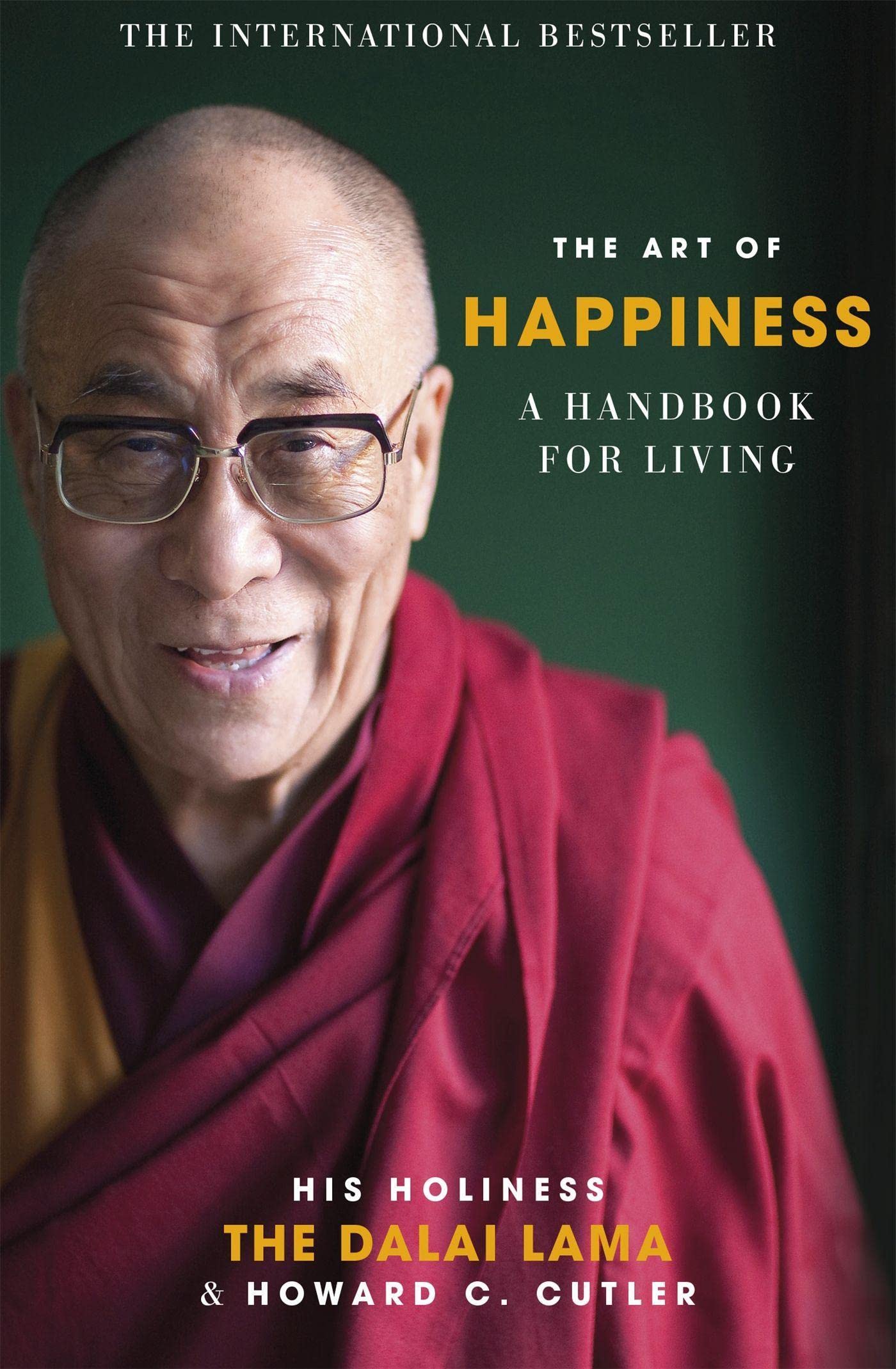
Hodder & Stoughton The Art of Happiness: A Handbook for Living by The Dalai Lama & Howard C. Cutler - Paperback Self-Help Classic on Buddhism & WellbeingA handbook for living, 'The Art of Happiness' pairs the spiritual insight of the Dalai Lama with the clinical expertise of Dr Howard C. Cutler. This practical guide explores how lasting contentment can be cultivated in everyday life, blending Tibetan Buddhist philosophy with Western psychology. The book is based on conversations between the Dalai Lama and Dr Cutler, recorded over several years, and offers a unique perspective on anxiety, loneliness, anger, loss, and the pursuit of wealth. Written with warmth, humour, and practicality, this influential work remains a valuable resource for those seeking calm and inner peace.9,99 £*Shipping: 2,99 £Secure redirect to the provider
-
What does Buddhism teach?
Buddhism teaches the Four Noble Truths, which are the truths of suffering, the cause of suffering, the end of suffering, and the path to the end of suffering. It also emphasizes the importance of mindfulness, compassion, and non-attachment. Buddhism teaches that all beings are interconnected and that the ultimate goal is to achieve enlightenment and liberation from the cycle of birth and death (samsara). **
-
What is Zen Buddhism?
Zen Buddhism is a school of Mahayana Buddhism that originated in China during the Tang dynasty and later spread to Japan. It emphasizes the practice of meditation (zazen) and the direct experience of enlightenment, or awakening. Zen teachings often focus on the concept of emptiness, impermanence, and the importance of living in the present moment. It is known for its minimalist approach, simplicity, and the use of paradoxical statements (koans) to provoke insight and break through conceptual thinking. **
-
Does Buddhism exclude Christianity?
Buddhism does not necessarily exclude Christianity. Both religions have different beliefs and practices, but individuals can choose to follow aspects of both faiths if they wish. Some people may find that certain teachings or practices from both Buddhism and Christianity complement each other, allowing them to incorporate elements of both into their spiritual beliefs. Ultimately, it is up to the individual to decide how they want to integrate different aspects of these religions into their own belief system. **
-
What makes Buddhism attractive?
Buddhism is attractive to many because of its emphasis on inner peace, mindfulness, and compassion. The teachings of Buddhism offer practical tools for dealing with suffering and finding contentment in the present moment. The focus on personal growth and self-awareness also appeals to those seeking spiritual fulfillment. Additionally, the inclusive nature of Buddhism, which welcomes people from all backgrounds and beliefs, makes it a welcoming and accessible path for many. **
* All prices are inclusive of VAT and, if applicable, plus shipping costs. The offer information is based on the details provided by the respective shop and is updated through automated processes. Real-time updates do not occur, so deviations can occur in individual cases. ** Note: Parts of this content were created by AI.