Buy forumtrzeciegowieku.pl ?
We are moving the project
forumtrzeciegowieku.pl .
Are you interested in purchasing the domain
forumtrzeciegowieku.pl ?
domain@kv-gmbh.de · 0541-91531010
Buy forumtrzeciegowieku.pl ?
How do you transform an object clause or a subject clause into a dependent clause (subordinate clause)?
To transform an object clause or a subject clause into a dependent clause, you can add a subordinating conjunction at the beginning of the clause. For example, changing "I know that he is coming" (object clause) to "I know when he is coming" (dependent clause). Another way is to remove the subject or object pronoun and change the verb form to make it dependent on the main clause. For instance, changing "She believes she can win" (subject clause) to "She believes she can win" (dependent clause). **
Is an infinitive clause a subordinate clause?
Yes, an infinitive clause is a type of subordinate clause. It functions as a single unit within a sentence and is dependent on the main clause for its meaning. Infinitive clauses typically begin with the word "to" followed by a verb, and they can serve various purposes such as expressing purpose, result, or obligation. **


Similar search terms for Clause
Top-Angebote
Products related to Clause:
-
Daily Deals Depot Santa Clause Peeker Yard Ornament, Christmas Fence Decoration, Indoor Outdoor Holiday Placard, DIY Festival Gift redBring the festive spirit to life with this Christmas Fence Ornament Santa Clause Peeker Yard Decoration, the perfect way to surprise neighbors and delight guests this holiday season. Designed for indoor and outdoor use, this charming Santa Clause...21,97 $*Shipping: 0,00 $Secure redirect to the provider
-
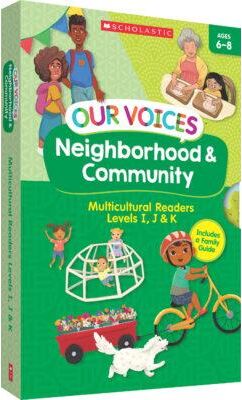
Our Voices: Neighborhood & Community Boxed SetFoster a feeling of belonging while building key reading skills with these colorful storybooks that spotlight a variety of neighborhoods and communities. The 10 charming stories feature characters from different cultural backgrounds who learn about...30,59 $*Shipping: 0,00 $Secure redirect to the provider
-
Inspired Finds DPL Red Light Skin Rejuvenation Device With Infrared Cooling Technology For Anti Aging Skin Care DPL Red Light Skin Rejuvenation Device With Infrared Cooling Technology For Anti Aging Skin CareReveal a brighter, smootherlooking complexion with this red light therapy device designed to elevate your daily skincare routine. This skin rejuvenation device combines DPL light technology, infrared therapy, and a cooling treatment head to provide...281,99 $*Shipping: 0,00 $Secure redirect to the provider
-
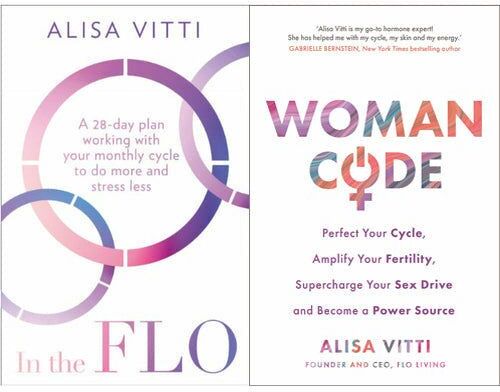
Reader's Library Classics In the FLO & Womancode 2 Books Collection Set – Women’s Health & Wellness CollectionIn the FLO A 28-day plan working with your monthly cycle to do more & Womancode: Perfect Your Cycle Amplify Your Fertility Supercharge Your Sex Drive By Alisa Vitti 2 Books Collection Set In the FLO A 28-day plan working with your monthly cycle to do more and stress less: In the Flo teaches women how to use their 28-day cycle to optimize their life by letting their internal clock and natural rhythms guide time management, diet, fitness, etc. (This is so simple and yet under-utilized it is shocking. It makes perfect sense when you think about it: You have different energy levels at different times of the month, different libido levels, etc. so why not use foresight to plan projects for when you are at your most effective, and understand when you need more emotional connection with others?) Womancode Perfect Your Cycle, Amplify Your Fertility, Supercharge Your Sex Drive: Alisa Vitti found herself suffering through the symptoms of polycystic ovarian syndrome (PCOS), and was able to heal herself through food and lifestyle changes. Relieved and reborn, she made it her mission to empower other women to be able to do the same. As she says, 'Hormones affect everything. Have you ever struggled with acne, oily hair, dandruff, dry skin, cramps, headaches, irritability, exhaustion, constipation, irregular cycles, heavy bleeding, clotting, shedding hair, weight gain, anxiety, insomnia, infertility, lowered sex drive, or bizarre food cravings and felt like your body was just irrational?' With this breadth of symptoms, improving hormonal health is a goal for women at every stage of their lives Alisa Vitti says that medication and anti-depressants aren't the only solutions.14,90 £*Shipping: 2,99 £Secure redirect to the provider


-
What are main clause-subordinate clause constructions?
Main clause-subordinate clause constructions are sentences that consist of a main clause and one or more subordinate clauses. The main clause is a complete sentence that can stand alone, while the subordinate clause depends on the main clause for its meaning and cannot stand alone. Subordinate clauses often begin with subordinating conjunctions such as "because," "although," "if," or "when," and they provide additional information or context to the main clause. These constructions allow for more complex and nuanced sentence structures, and they are commonly used in both spoken and written language. **
-
Can an adverbial clause also be a subject clause or an object clause?
No, an adverbial clause cannot be a subject clause or an object clause. An adverbial clause functions as an adverb to modify a verb, adjective, or adverb in a sentence. Subject clauses and object clauses, on the other hand, serve as the subject or object of the main clause, respectively. Each type of clause has a specific grammatical function within a sentence. **
-
Is the main clause and subordinate clause correct?
To determine if the main clause and subordinate clause are correct, you need to ensure that they are grammatically sound and that they make sense when combined. The main clause should be able to stand alone as a complete sentence, while the subordinate clause provides additional information but cannot stand alone. Checking for subject-verb agreement and proper punctuation between the two clauses can help confirm their correctness. **
-
How do I recognize a relative clause, a conjunctional clause, and an interrogative clause?
A relative clause typically starts with a relative pronoun (such as who, whom, whose, which, or that) and provides more information about a noun in the main clause. A conjunctional clause, on the other hand, is introduced by a conjunction (such as and, but, or because) and connects two independent clauses. An interrogative clause is a type of clause that asks a question and is typically introduced by an interrogative pronoun (such as who, what, when, where, why, or how) or an interrogative adverb (such as how, when, or where). **


How can I recognize a relative clause, a conjunctional clause, and an interrogative clause?
A relative clause is a type of dependent clause that typically starts with a relative pronoun (such as who, whom, whose, which, or that) and provides additional information about a noun in the main clause. A conjunctional clause, on the other hand, is a dependent clause that functions as an adverb, adjective, or noun in a sentence and is connected to the main clause by a conjunction (such as because, although, if, when, etc.). An interrogative clause is a type of clause that asks a question and typically begins with a question word (such as who, what, where, when, why, or how) or with a helping verb followed by the subject. **
What is the main clause, subordinate clause 1st degree, and subordinate clause 2nd degree?
The main clause is the independent clause that contains the main idea of the sentence. It can stand alone as a complete sentence. The subordinate clause 1st degree is a clause that depends on the main clause for its meaning and cannot stand alone as a complete sentence. The subordinate clause 2nd degree is a clause that depends on the subordinate clause 1st degree for its meaning and cannot stand alone as a complete sentence. **
Top-Angebote
Products related to Clause:
-
Combo Retail Shop Christmas Fence Ornaments, Santa Clause Peeker, Yard Ornaments, Indoor Outdoor, DIY Festival Gift redBring the magic of the holidays to your home with these charming Christmas Fence Ornaments. Featuring a playful Santa Clause Peeker, these yard decorations are perfect for both indoor and outdoor spaces. Crafted to brighten your garden, lawn, or...44,97 $*Shipping: 0,00 $Secure redirect to the provider
-
ModernMart Christmas Fence Decoration: Santa, Snowman, Reindeer, Penguin Peeker Ornaments For Indoor Outdoor Festivities Color: Santa ClauseChristmas Fence Decoration Santa Clause Snowman Reindeer Penguin Peeker Yard Ornaments Indoor Outdoor Festival Gift Christmas Fence Decoration Santa Clause Snowman Reindeer Penguin Peeker Brand new & high quality Material: PP plastic Color:...20,00 $*Shipping: 0,00 $Secure redirect to the provider
-
Daily Deals Depot Santa Clause Peeker Yard Ornament, Christmas Fence Decoration, Indoor Outdoor Holiday Placard, DIY Festival Gift redBring the festive spirit to life with this Christmas Fence Ornament Santa Clause Peeker Yard Decoration, the perfect way to surprise neighbors and delight guests this holiday season. Designed for indoor and outdoor use, this charming Santa Clause...21,97 $*Shipping: 0,00 $Secure redirect to the provider
-
Our Voices: Neighborhood & Community Boxed SetFoster a feeling of belonging while building key reading skills with these colorful storybooks that spotlight a variety of neighborhoods and communities. The 10 charming stories feature characters from different cultural backgrounds who learn about...30,59 $*Shipping: 0,00 $Secure redirect to the provider
-
How do you transform an object clause or a subject clause into a dependent clause (subordinate clause)?
To transform an object clause or a subject clause into a dependent clause, you can add a subordinating conjunction at the beginning of the clause. For example, changing "I know that he is coming" (object clause) to "I know when he is coming" (dependent clause). Another way is to remove the subject or object pronoun and change the verb form to make it dependent on the main clause. For instance, changing "She believes she can win" (subject clause) to "She believes she can win" (dependent clause). **
-
Is an infinitive clause a subordinate clause?
Yes, an infinitive clause is a type of subordinate clause. It functions as a single unit within a sentence and is dependent on the main clause for its meaning. Infinitive clauses typically begin with the word "to" followed by a verb, and they can serve various purposes such as expressing purpose, result, or obligation. **
-
What are main clause-subordinate clause constructions?
Main clause-subordinate clause constructions are sentences that consist of a main clause and one or more subordinate clauses. The main clause is a complete sentence that can stand alone, while the subordinate clause depends on the main clause for its meaning and cannot stand alone. Subordinate clauses often begin with subordinating conjunctions such as "because," "although," "if," or "when," and they provide additional information or context to the main clause. These constructions allow for more complex and nuanced sentence structures, and they are commonly used in both spoken and written language. **
-
Can an adverbial clause also be a subject clause or an object clause?
No, an adverbial clause cannot be a subject clause or an object clause. An adverbial clause functions as an adverb to modify a verb, adjective, or adverb in a sentence. Subject clauses and object clauses, on the other hand, serve as the subject or object of the main clause, respectively. Each type of clause has a specific grammatical function within a sentence. **
Similar search terms for Clause
-
Inspired Finds DPL Red Light Skin Rejuvenation Device With Infrared Cooling Technology For Anti Aging Skin Care DPL Red Light Skin Rejuvenation Device With Infrared Cooling Technology For Anti Aging Skin CareReveal a brighter, smootherlooking complexion with this red light therapy device designed to elevate your daily skincare routine. This skin rejuvenation device combines DPL light technology, infrared therapy, and a cooling treatment head to provide...281,99 $*Shipping: 0,00 $Secure redirect to the provider
-
Reader's Library Classics In the FLO & Womancode 2 Books Collection Set – Women’s Health & Wellness CollectionIn the FLO A 28-day plan working with your monthly cycle to do more & Womancode: Perfect Your Cycle Amplify Your Fertility Supercharge Your Sex Drive By Alisa Vitti 2 Books Collection Set In the FLO A 28-day plan working with your monthly cycle to do more and stress less: In the Flo teaches women how to use their 28-day cycle to optimize their life by letting their internal clock and natural rhythms guide time management, diet, fitness, etc. (This is so simple and yet under-utilized it is shocking. It makes perfect sense when you think about it: You have different energy levels at different times of the month, different libido levels, etc. so why not use foresight to plan projects for when you are at your most effective, and understand when you need more emotional connection with others?) Womancode Perfect Your Cycle, Amplify Your Fertility, Supercharge Your Sex Drive: Alisa Vitti found herself suffering through the symptoms of polycystic ovarian syndrome (PCOS), and was able to heal herself through food and lifestyle changes. Relieved and reborn, she made it her mission to empower other women to be able to do the same. As she says, 'Hormones affect everything. Have you ever struggled with acne, oily hair, dandruff, dry skin, cramps, headaches, irritability, exhaustion, constipation, irregular cycles, heavy bleeding, clotting, shedding hair, weight gain, anxiety, insomnia, infertility, lowered sex drive, or bizarre food cravings and felt like your body was just irrational?' With this breadth of symptoms, improving hormonal health is a goal for women at every stage of their lives Alisa Vitti says that medication and anti-depressants aren't the only solutions.14,90 £*Shipping: 2,99 £Secure redirect to the provider
-
Kyle Books 2 Weeks to Feeling Great by Gabriela Peacock – Sunday Times Bestseller Health & Wellness Plan2 Weeks to Feeling Great is nutritionist Gabriela Peacock's comprehensive guide to health and wellbeing aimed at busy people who may not have the time - or inclination - to commit to strict rules that are not compatible with real life and instead focuses on what is achievable. It includes two detailed 14-day programmes on intermittent fasting, scientifically proven to be the most effective method of safely reaching a healthy weight. Covering everything from improving sleep to rebalancing hormones and increasing energy, the easy-to-remember tips and recommendations require minimal effort but deliver significant results. Gabriela also looks at other lifestyle factors, in addition to diet, that affect health - from household and beauty products to reducing the use of plastics. The bottom line is, you don't have to be perfect in order to feel and look better.9,95 £*Shipping: 2,99 £Secure redirect to the provider
-
Inspire Select 2025 Health Smart Watch AMOLED Bluetooth Call Fitness Tracker With ECG & Wellness Monitoring blackStay connected while monitoring your daily wellness with this advanced health smart watch designed for fitness, lifestyle tracking, and smart convenience. Featuring a stunning AMOLED smartwatch display, Bluetooth calling, ECG monitoring, and...288,98 $*Shipping: 0,00 $Secure redirect to the provider
-
Is the main clause and subordinate clause correct?
To determine if the main clause and subordinate clause are correct, you need to ensure that they are grammatically sound and that they make sense when combined. The main clause should be able to stand alone as a complete sentence, while the subordinate clause provides additional information but cannot stand alone. Checking for subject-verb agreement and proper punctuation between the two clauses can help confirm their correctness. **
-
How do I recognize a relative clause, a conjunctional clause, and an interrogative clause?
A relative clause typically starts with a relative pronoun (such as who, whom, whose, which, or that) and provides more information about a noun in the main clause. A conjunctional clause, on the other hand, is introduced by a conjunction (such as and, but, or because) and connects two independent clauses. An interrogative clause is a type of clause that asks a question and is typically introduced by an interrogative pronoun (such as who, what, when, where, why, or how) or an interrogative adverb (such as how, when, or where). **
-
How can I recognize a relative clause, a conjunctional clause, and an interrogative clause?
A relative clause is a type of dependent clause that typically starts with a relative pronoun (such as who, whom, whose, which, or that) and provides additional information about a noun in the main clause. A conjunctional clause, on the other hand, is a dependent clause that functions as an adverb, adjective, or noun in a sentence and is connected to the main clause by a conjunction (such as because, although, if, when, etc.). An interrogative clause is a type of clause that asks a question and typically begins with a question word (such as who, what, where, when, why, or how) or with a helping verb followed by the subject. **
-
What is the main clause, subordinate clause 1st degree, and subordinate clause 2nd degree?
The main clause is the independent clause that contains the main idea of the sentence. It can stand alone as a complete sentence. The subordinate clause 1st degree is a clause that depends on the main clause for its meaning and cannot stand alone as a complete sentence. The subordinate clause 2nd degree is a clause that depends on the subordinate clause 1st degree for its meaning and cannot stand alone as a complete sentence. **
* All prices are inclusive of VAT and, if applicable, plus shipping costs. The offer information is based on the details provided by the respective shop and is updated through automated processes. Real-time updates do not occur, so deviations can occur in individual cases. ** Note: Parts of this content were created by AI.