Buy forumtrzeciegowieku.pl ?
We are moving the project
forumtrzeciegowieku.pl .
Are you interested in purchasing the domain
forumtrzeciegowieku.pl ?
domain@kv-gmbh.de · 0541-91531010
Buy forumtrzeciegowieku.pl ?
What kind of jellyfish is the fried egg jellyfish?
The fried egg jellyfish, also known as Phacellophora camtschatica, is a species of jellyfish that is easily recognizable by its large, flat, disk-shaped bell that resembles a fried egg. It is typically found in the cold waters of the Pacific Ocean, particularly along the coasts of North America and Asia. Despite its striking appearance, the fried egg jellyfish is not considered to be a significant threat to humans as its sting is mild and not harmful. **
Which exotic jellyfish?
The box jellyfish is considered one of the most exotic jellyfish due to its extremely venomous sting and unique appearance. This jellyfish is known for its cube-shaped bell and long, trailing tentacles that can deliver a powerful and potentially deadly sting to humans. Found primarily in the waters of the Indo-Pacific region, the box jellyfish is a fascinating yet dangerous creature that requires caution and respect when encountered. **

Similar search terms for DynamicDeals-Ocean-Calm-Jellyfish
Top-Angebote
Products related to DynamicDeals-Ocean-Calm-Jellyfish:
-
Barbie Pop Reveal Sea Slushy Jellyfish Doll - Ocean-Themed Unboxing Toy - MattelGet ready for a refreshing ocean-themed unboxing adventure with the Barbie Pop Reveal Sea Slushy Jellyfish Doll. Inspired by a colorful sea slushy drink, this Barbie doll comes in a playful cup-shaped package filled with surprises to discover. Peel away the outer film and unscrew the iced topping-style lid to begin revealing the contents. Inside, children can find a sweet-scented Barbie fashion doll with long color-change hair, plus a cute squishy jellyfish pet and a selection of themed accessories. The hair changes color when dipped in icy cold water, and can be changed back with warm water for repeatable play. The unboxing experience includes eight surprises, such as sensory slime, reusable ice cubes that open to reveal a skirt and shoes, sunglasses, and a straw accessory. The ocean-inspired details encourage imaginative storytelling, while the reusable pieces can be enjoyed again and again.22,42 £*Shipping: 3,95 £Secure redirect to the provider
-
Modern Mode Marketplace Ocean Muse Starfish & Jellyfish Tassel Necklace For Women purpleBring the beauty of the sea wherever you go with this elegant starfish necklace designed to capture attention with every movement. Featuring delicate oceaninspired charms and flowing tassel details, this necklace adds a graceful touch to both casual...34,97 $*Shipping: 0,00 $Secure redirect to the provider
-
Trans Ocean Import Co Inc "Marina Jellyfish Rectangle Rug Blue, 3'3"" x 4'11"", Blue"Go crazy over the cute creatures swimming on the Marina Jellyfish Indoor/Outdoor Rug. Power-loomed, flat-woven, polypropylene/polyester area rug, .12 thick, has a low profile, is weather-resistant, and is UV-stabilized for enhanced fade resistance....65,99 $*Shipping: 0,00 $Secure redirect to the provider
-
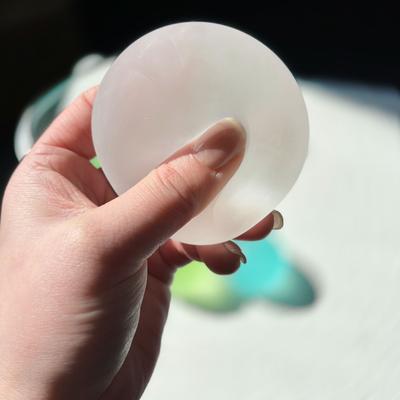
DynamicDeals Crystal Blue Squishy Toy Slow Rebound Stress Relief Fidget For Sensory Calm whiteTake a break from everyday stress with this irresistibly soft sensory fidget toy designed to calm busy hands and restless minds. The crystalclear blue design and satisfying slowrebound texture create a soothing tactile experience that feels relaxing...31,97 $*Shipping: 0,00 $Secure redirect to the provider


-
What do jellyfish do?
Jellyfish are marine animals that drift along in the ocean currents. They use their tentacles to capture prey, such as small fish and plankton. Jellyfish also have the ability to sting, which they use for self-defense and to immobilize their prey. Some jellyfish can pulsate their bell-shaped bodies to propel themselves through the water, while others simply float along with the currents. **
-
Can jellyfish feel pain?
Jellyfish do not have a centralized nervous system or brain, so they do not experience pain in the same way that humans or other animals with more complex nervous systems do. While they do have nerve cells, they lack the structures necessary to process pain signals. Therefore, it is believed that jellyfish do not feel pain as we understand it. **
-
Which species of jellyfish?
There are many species of jellyfish found in oceans around the world, with some of the most common being the moon jellyfish (Aurelia aurita), the lion's mane jellyfish (Cyanea capillata), and the box jellyfish (Chironex fleckeri). Each species has its own unique characteristics, such as size, color, and venom potency. It is important to be cautious around jellyfish, as some species can deliver painful stings that may require medical attention. **
-
Can you touch jellyfish?
It is not recommended to touch jellyfish as many species have stinging cells that can cause painful reactions or even be dangerous to humans. Even jellyfish that are dead or washed up on shore can still have active stingers. It is best to observe jellyfish from a safe distance to avoid any potential harm. **

Why are there jellyfish?
Jellyfish have been around for millions of years and play an important role in marine ecosystems. They are a key part of the ocean food web, serving as both predator and prey. Their gelatinous bodies provide a food source for many marine animals, and they help to control populations of zooplankton. Additionally, jellyfish are well-adapted to survive in a wide range of ocean conditions, allowing them to thrive in various marine environments around the world. Overall, jellyfish are an integral part of the ocean ecosystem and have evolved to fulfill important ecological roles. **
Why do jellyfish glow?
Jellyfish glow due to a process called bioluminescence, which is the production and emission of light by a living organism. This ability to glow serves several purposes for jellyfish, including attracting prey, deterring predators, and communicating with other jellyfish. The bioluminescent glow is produced by special cells within the jellyfish called photocytes, which contain a light-emitting molecule that reacts with oxygen to produce light. This adaptation has allowed jellyfish to thrive in their oceanic habitats and has fascinated scientists and observers for centuries. **
Top-Angebote
Products related to DynamicDeals-Ocean-Calm-Jellyfish:
-
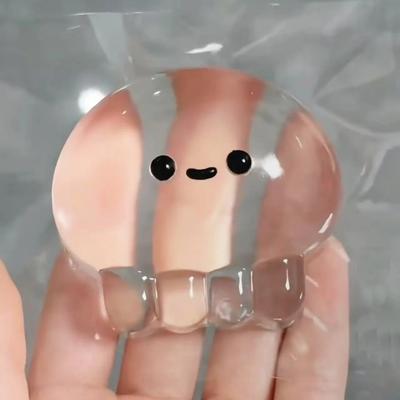
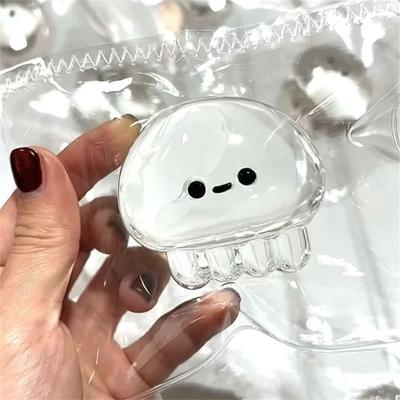
DynamicDeals Ocean Calm Jellyfish Sensory Fidget Toy Stress Relief Squishy Toy For Anxiety & Relaxation pinkImagine turning tension into calm with a soft squeeze thats the magic of this stress relief squishy toy designed for everyday balance. This adorable jellyfishshaped sensory companion brings soothing tactile comfort to moments of anxiety, busy...29,97 $*Shipping: 0,00 $Secure redirect to the provider
-
DynamicDeals Kawaii Jellyfish Squishy Stress Relief Toy For Sensory Play And Anxiety Calm Kawaii Jellyfish Squishy Stress Relief Toy For Sensory Play And Anxiety CalmDive into a calmer, more playful moment with this irresistibly soft squishy toy designed to melt away everyday stress. Shaped like a cute jellyfish and made with a slowrising texture, it delivers a satisfying sensory experience for both kids and...31,97 $*Shipping: 0,00 $Secure redirect to the provider
-
Barbie Pop Reveal Sea Slushy Jellyfish Doll - Ocean-Themed Unboxing Toy - MattelGet ready for a refreshing ocean-themed unboxing adventure with the Barbie Pop Reveal Sea Slushy Jellyfish Doll. Inspired by a colorful sea slushy drink, this Barbie doll comes in a playful cup-shaped package filled with surprises to discover. Peel away the outer film and unscrew the iced topping-style lid to begin revealing the contents. Inside, children can find a sweet-scented Barbie fashion doll with long color-change hair, plus a cute squishy jellyfish pet and a selection of themed accessories. The hair changes color when dipped in icy cold water, and can be changed back with warm water for repeatable play. The unboxing experience includes eight surprises, such as sensory slime, reusable ice cubes that open to reveal a skirt and shoes, sunglasses, and a straw accessory. The ocean-inspired details encourage imaginative storytelling, while the reusable pieces can be enjoyed again and again.22,42 £*Shipping: 3,95 £Secure redirect to the provider
-
Modern Mode Marketplace Ocean Muse Starfish & Jellyfish Tassel Necklace For Women purpleBring the beauty of the sea wherever you go with this elegant starfish necklace designed to capture attention with every movement. Featuring delicate oceaninspired charms and flowing tassel details, this necklace adds a graceful touch to both casual...34,97 $*Shipping: 0,00 $Secure redirect to the provider
-
What kind of jellyfish is the fried egg jellyfish?
The fried egg jellyfish, also known as Phacellophora camtschatica, is a species of jellyfish that is easily recognizable by its large, flat, disk-shaped bell that resembles a fried egg. It is typically found in the cold waters of the Pacific Ocean, particularly along the coasts of North America and Asia. Despite its striking appearance, the fried egg jellyfish is not considered to be a significant threat to humans as its sting is mild and not harmful. **
-
Which exotic jellyfish?
The box jellyfish is considered one of the most exotic jellyfish due to its extremely venomous sting and unique appearance. This jellyfish is known for its cube-shaped bell and long, trailing tentacles that can deliver a powerful and potentially deadly sting to humans. Found primarily in the waters of the Indo-Pacific region, the box jellyfish is a fascinating yet dangerous creature that requires caution and respect when encountered. **
-
What do jellyfish do?
Jellyfish are marine animals that drift along in the ocean currents. They use their tentacles to capture prey, such as small fish and plankton. Jellyfish also have the ability to sting, which they use for self-defense and to immobilize their prey. Some jellyfish can pulsate their bell-shaped bodies to propel themselves through the water, while others simply float along with the currents. **
-
Can jellyfish feel pain?
Jellyfish do not have a centralized nervous system or brain, so they do not experience pain in the same way that humans or other animals with more complex nervous systems do. While they do have nerve cells, they lack the structures necessary to process pain signals. Therefore, it is believed that jellyfish do not feel pain as we understand it. **
Similar search terms for DynamicDeals-Ocean-Calm-Jellyfish
-
Trans Ocean Import Co Inc "Marina Jellyfish Rectangle Rug Blue, 3'3"" x 4'11"", Blue"Go crazy over the cute creatures swimming on the Marina Jellyfish Indoor/Outdoor Rug. Power-loomed, flat-woven, polypropylene/polyester area rug, .12 thick, has a low profile, is weather-resistant, and is UV-stabilized for enhanced fade resistance....65,99 $*Shipping: 0,00 $Secure redirect to the provider
-
DynamicDeals Crystal Blue Squishy Toy Slow Rebound Stress Relief Fidget For Sensory Calm whiteTake a break from everyday stress with this irresistibly soft sensory fidget toy designed to calm busy hands and restless minds. The crystalclear blue design and satisfying slowrebound texture create a soothing tactile experience that feels relaxing...31,97 $*Shipping: 0,00 $Secure redirect to the provider
-
DynamicDeals Ocean Calm Jellyfish Sensory Fidget Toy Stress Relief Squishy Toy For Anxiety & Relaxation transparentImagine turning tension into calm with a soft squeeze thats the magic of this stress relief squishy toy designed for everyday balance. This adorable jellyfishshaped sensory companion brings soothing tactile comfort to moments of anxiety, busy...29,97 $*Shipping: 0,00 $Secure redirect to the provider
-
Modern Mode Marketplace Ocean Muse Starfish & Jellyfish Tassel Necklace For Women blueBring the beauty of the sea wherever you go with this elegant starfish necklace designed to capture attention with every movement. Featuring delicate oceaninspired charms and flowing tassel details, this necklace adds a graceful touch to both casual...34,97 $*Shipping: 0,00 $Secure redirect to the provider
-
Which species of jellyfish?
There are many species of jellyfish found in oceans around the world, with some of the most common being the moon jellyfish (Aurelia aurita), the lion's mane jellyfish (Cyanea capillata), and the box jellyfish (Chironex fleckeri). Each species has its own unique characteristics, such as size, color, and venom potency. It is important to be cautious around jellyfish, as some species can deliver painful stings that may require medical attention. **
-
Can you touch jellyfish?
It is not recommended to touch jellyfish as many species have stinging cells that can cause painful reactions or even be dangerous to humans. Even jellyfish that are dead or washed up on shore can still have active stingers. It is best to observe jellyfish from a safe distance to avoid any potential harm. **
-
Why are there jellyfish?
Jellyfish have been around for millions of years and play an important role in marine ecosystems. They are a key part of the ocean food web, serving as both predator and prey. Their gelatinous bodies provide a food source for many marine animals, and they help to control populations of zooplankton. Additionally, jellyfish are well-adapted to survive in a wide range of ocean conditions, allowing them to thrive in various marine environments around the world. Overall, jellyfish are an integral part of the ocean ecosystem and have evolved to fulfill important ecological roles. **
-
Why do jellyfish glow?
Jellyfish glow due to a process called bioluminescence, which is the production and emission of light by a living organism. This ability to glow serves several purposes for jellyfish, including attracting prey, deterring predators, and communicating with other jellyfish. The bioluminescent glow is produced by special cells within the jellyfish called photocytes, which contain a light-emitting molecule that reacts with oxygen to produce light. This adaptation has allowed jellyfish to thrive in their oceanic habitats and has fascinated scientists and observers for centuries. **
* All prices are inclusive of VAT and, if applicable, plus shipping costs. The offer information is based on the details provided by the respective shop and is updated through automated processes. Real-time updates do not occur, so deviations can occur in individual cases. ** Note: Parts of this content were created by AI.