Buy forumtrzeciegowieku.pl ?
We are moving the project
forumtrzeciegowieku.pl .
Are you interested in purchasing the domain
forumtrzeciegowieku.pl ?
domain@kv-gmbh.de · 0541-91531010
Buy forumtrzeciegowieku.pl ?
Which enzymes can be health-harming inhibitors?
Health-harming inhibitors can include enzymes such as acetylcholinesterase, which can be inhibited by certain pesticides and nerve agents, leading to toxic effects on the nervous system. Another example is the enzyme monoamine oxidase, which can be inhibited by certain medications and can lead to adverse effects on mood and blood pressure regulation. Additionally, protease inhibitors used in HIV treatment can have harmful effects on the body's ability to fight off infections. Overall, the inhibition of these enzymes can have negative impacts on various physiological processes and overall health. **
Are genetically modified enzymes the same as synthetic enzymes?
Genetically modified enzymes and synthetic enzymes are not the same. Genetically modified enzymes are produced by altering the genetic material of an organism, such as bacteria or yeast, to produce a specific enzyme. Synthetic enzymes, on the other hand, are created through chemical synthesis in a laboratory. While both types of enzymes can be used for various industrial and scientific applications, they are produced through different methods and have different origins. **

Similar search terms for Enzymes
Top-Angebote
Products related to Enzymes:
-
Our Voices: Neighborhood & Community Boxed SetFoster a feeling of belonging while building key reading skills with these colorful storybooks that spotlight a variety of neighborhoods and communities. The 10 charming stories feature characters from different cultural backgrounds who learn about...30,59 $*Shipping: 0,00 $Secure redirect to the provider
-
Inspired Finds DPL Red Light Skin Rejuvenation Device With Infrared Cooling Technology For Anti Aging Skin Care DPL Red Light Skin Rejuvenation Device With Infrared Cooling Technology For Anti Aging Skin CareReveal a brighter, smootherlooking complexion with this red light therapy device designed to elevate your daily skincare routine. This skin rejuvenation device combines DPL light technology, infrared therapy, and a cooling treatment head to provide...281,99 $*Shipping: 0,00 $Secure redirect to the provider
-
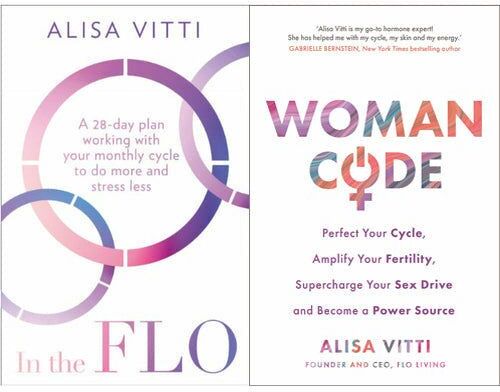
Reader's Library Classics In the FLO & Womancode 2 Books Collection Set – Women’s Health & Wellness CollectionIn the FLO A 28-day plan working with your monthly cycle to do more & Womancode: Perfect Your Cycle Amplify Your Fertility Supercharge Your Sex Drive By Alisa Vitti 2 Books Collection Set In the FLO A 28-day plan working with your monthly cycle to do more and stress less: In the Flo teaches women how to use their 28-day cycle to optimize their life by letting their internal clock and natural rhythms guide time management, diet, fitness, etc. (This is so simple and yet under-utilized it is shocking. It makes perfect sense when you think about it: You have different energy levels at different times of the month, different libido levels, etc. so why not use foresight to plan projects for when you are at your most effective, and understand when you need more emotional connection with others?) Womancode Perfect Your Cycle, Amplify Your Fertility, Supercharge Your Sex Drive: Alisa Vitti found herself suffering through the symptoms of polycystic ovarian syndrome (PCOS), and was able to heal herself through food and lifestyle changes. Relieved and reborn, she made it her mission to empower other women to be able to do the same. As she says, 'Hormones affect everything. Have you ever struggled with acne, oily hair, dandruff, dry skin, cramps, headaches, irritability, exhaustion, constipation, irregular cycles, heavy bleeding, clotting, shedding hair, weight gain, anxiety, insomnia, infertility, lowered sex drive, or bizarre food cravings and felt like your body was just irrational?' With this breadth of symptoms, improving hormonal health is a goal for women at every stage of their lives Alisa Vitti says that medication and anti-depressants aren't the only solutions.14,90 £*Shipping: 2,99 £Secure redirect to the provider
-
Kyle Books 2 Weeks to Feeling Great by Gabriela Peacock – Sunday Times Bestseller Health & Wellness Plan2 Weeks to Feeling Great is nutritionist Gabriela Peacock's comprehensive guide to health and wellbeing aimed at busy people who may not have the time - or inclination - to commit to strict rules that are not compatible with real life and instead focuses on what is achievable. It includes two detailed 14-day programmes on intermittent fasting, scientifically proven to be the most effective method of safely reaching a healthy weight. Covering everything from improving sleep to rebalancing hormones and increasing energy, the easy-to-remember tips and recommendations require minimal effort but deliver significant results. Gabriela also looks at other lifestyle factors, in addition to diet, that affect health - from household and beauty products to reducing the use of plastics. The bottom line is, you don't have to be perfect in order to feel and look better.9,95 £*Shipping: 2,99 £Secure redirect to the provider



-
What are enzymes?
Enzymes are biological molecules that act as catalysts to speed up chemical reactions in living organisms. They are typically proteins that bind to specific molecules, called substrates, and help to convert them into different molecules. Enzymes are essential for various biological processes, such as digestion, metabolism, and cellular signaling. They are highly specific in their actions and can be regulated to control the rate of reactions in the body. **
-
How do enzymes work?
Enzymes work by speeding up chemical reactions in the body. They do this by lowering the activation energy required for a reaction to occur, making it easier for the reaction to take place. Enzymes achieve this by binding to the substrate molecules involved in the reaction and bringing them into close proximity, allowing the reaction to occur more quickly. Enzymes are specific to the reactions they catalyze, and their activity can be influenced by factors such as temperature, pH, and the presence of inhibitors or activators. **
-
Why are enzymes biocatalysts?
Enzymes are biocatalysts because they are able to speed up chemical reactions in living organisms without being consumed in the process. They do this by lowering the activation energy required for a reaction to occur, making it easier for the reaction to take place. Enzymes are highly specific in their action, targeting specific substrates and catalyzing specific reactions, which allows for precise control of metabolic processes in the cell. This specificity and efficiency make enzymes essential for the functioning of biological systems. **
-
What are key enzymes?
Key enzymes are proteins that catalyze specific chemical reactions within the body. They play a crucial role in regulating and speeding up metabolic processes, such as breaking down food for energy or building new molecules for growth and repair. Key enzymes are often involved in important biochemical pathways and are essential for maintaining overall health and homeostasis in the body. Their activity can be regulated by various factors, such as substrate concentration, pH, and temperature, and they are often targeted by drugs and therapies to treat various diseases and disorders. **
How are enzymes named?
Enzymes are named based on the type of reaction they catalyze and the substrate they act upon. The names of enzymes typically end in "-ase" to indicate their enzymatic function. The first part of the name often reflects the substrate or the type of reaction the enzyme is involved in. For example, the enzyme that breaks down lactose is called lactase, and the enzyme that breaks down lipids is called lipase. Additionally, enzymes are often given a systematic name based on their specific function and the biochemical pathways they are involved in. **
What are enzymes in biology?
Enzymes are biological molecules that act as catalysts to speed up chemical reactions in living organisms. They are typically proteins that bind to specific molecules, called substrates, and help to convert them into different molecules. Enzymes are essential for various cellular processes, such as metabolism, digestion, and DNA replication. They are highly specific, meaning each enzyme catalyzes a particular reaction. **
Top-Angebote
Products related to Enzymes:
-
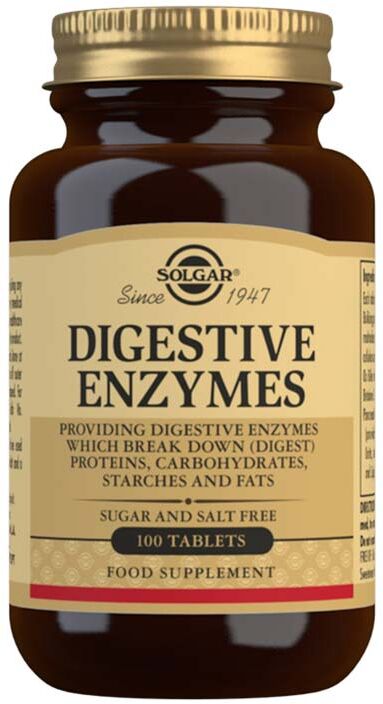
Solgar Digestive Enzymes 100 TabletsA unique proprietary complex, Solgar’s Digestive Enzymes provide support for your digestive system and for the absorption of food. Taking 1-3 of these premium, specialist supplements helps your body break down the food you eat and absorb nutrients. The digestive process is a complex one – the body breaks down the food we eat into nutrients. This is done with the help of digestive enzymes which are produced in the pancreas and small intestine. If we don’t have enough digestive enzymes, our body is not capable of breaking down food completely and nutrients won’t be absorbed efficiently, even if we follow a balanced, healthy diet. Chronic stress, low stomach acid and even food allergies can have an impact on the production of digestive enzymes – this is where Solgar comes in. Boasting ox bile, betaine, pancreatin, aspergillus oryzae, papain and pesin extract, Solgar’s supplement provides extra digestive support after meals. Each of its enzymes targets different food groups, ensuring a holistic approach to digestion. All Solgar products meet the industry-recognised “Gold Standard” for excellence. Made using naturally sourced ingredients and innovating since 1947. Key Benefits • Specialist combination of digestive enzymes to support the breakdown of proteins, carbohydrates, starches and fats • Helps your digestive system extract nutrients from your food • Designed to support your digestive system Ingredients Bulking Agents: (calcium carbonate, maltodextrin, microcrystalline cellulose, sucrose, lactose), Ox Bile Powdered Extract, Betaine HCI, Pancreatin 4X Concentrate (providing Protease, Amylase, Lipase), Powdered Peppermint (Mentha piperita) Leaf, Cross-Linked Cellulose Gum, Aspergillus oryzae, Amylase, Anti-caking Agents: (silicon dioxide, vegetable magnesium stearate), Papain, Glazing Agents: (hydroxypropylmethyl cellulose, vegetable glycerin (from palm kernel oil and coconut oil)), Pepsin Extract (contains milk).20,50 £*Shipping: 2,95 £Secure redirect to the provider
-
Upcircle Powder To Foam Face Wash With Willow Bark and Papaya EnzymesExperience a refreshing and radiant complexion with the Upcircle Powder To Foam Face Wash With Willow Bark and Papaya Enzymes. This innovative, water-activated cleanser features a non-stripping, soap-free formula designed to cleanse and gently exfoliate the skin. Each bottle provides up to 200 uses, offering a lightweight yet highly effective solution for a daily skincare routine. Skin is left feeling balanced, revitalized, and smooth after every use.The 97% natural formulation is enriched with upcycled rice lees and willow bark to refine texture and even out skin tone. Papaya enzymes provide a light polishing effect, lifting away dead skin cells and daily impurities to reveal a brighter appearance. This vegan and cruelty-free product is made in South Korea and comes in a recyclable glass bottle, making it an ideal choice for those seeking sustainable beauty options.Suitable for all skin types, including sensitive skin, this cleanser is simple to use. Dispense a small amount into wet hands and add water to create a soft, luxurious foam. Gently massage the foam into the skin and rinse thoroughly for a clean, refreshed finish.Key BenefitsCleanses and gently exfoliates without stripping the skin using a soap-free, 97% natural formula that leaves the complexion refreshed and radiant - Smooths and evens skin tone with upcycled rice lees, willow bark, and papaya enzymes that lift dead skin cells and daily impurities - Offers a sustainable and long-lasting skincare solution with up to 200 uses per recyclable glass bottle of this vegan and cruelty-free cleanserIngredients:97% Natural Ingredients: Zea Mays (Corn) Starch, Sodium Cocoyl Isethionate, Sodium Lauroyl Glutamate, Diglycerin, Oryza Sativa (Rice) Lees Extract, Salix Alba (Willow) Bark Extract, Oryza Sativa (Rice) Powder, Camellia Sinensis Leaf Powder, Centella Asiatica Leaf/Stem Powder, Chamomilla Recutita (Matricaria) Flower Extract, Allantoin, Papain, Panthenol, Maltodextrin, Glucose, Glycerin, Aqua (Water), 1,2-Hexanediol.17,59 £*Shipping: 2,95 £Secure redirect to the provider
-
Our Voices: Neighborhood & Community Boxed SetFoster a feeling of belonging while building key reading skills with these colorful storybooks that spotlight a variety of neighborhoods and communities. The 10 charming stories feature characters from different cultural backgrounds who learn about...30,59 $*Shipping: 0,00 $Secure redirect to the provider
-
Inspired Finds DPL Red Light Skin Rejuvenation Device With Infrared Cooling Technology For Anti Aging Skin Care DPL Red Light Skin Rejuvenation Device With Infrared Cooling Technology For Anti Aging Skin CareReveal a brighter, smootherlooking complexion with this red light therapy device designed to elevate your daily skincare routine. This skin rejuvenation device combines DPL light technology, infrared therapy, and a cooling treatment head to provide...281,99 $*Shipping: 0,00 $Secure redirect to the provider
-
Which enzymes can be health-harming inhibitors?
Health-harming inhibitors can include enzymes such as acetylcholinesterase, which can be inhibited by certain pesticides and nerve agents, leading to toxic effects on the nervous system. Another example is the enzyme monoamine oxidase, which can be inhibited by certain medications and can lead to adverse effects on mood and blood pressure regulation. Additionally, protease inhibitors used in HIV treatment can have harmful effects on the body's ability to fight off infections. Overall, the inhibition of these enzymes can have negative impacts on various physiological processes and overall health. **
-
Are genetically modified enzymes the same as synthetic enzymes?
Genetically modified enzymes and synthetic enzymes are not the same. Genetically modified enzymes are produced by altering the genetic material of an organism, such as bacteria or yeast, to produce a specific enzyme. Synthetic enzymes, on the other hand, are created through chemical synthesis in a laboratory. While both types of enzymes can be used for various industrial and scientific applications, they are produced through different methods and have different origins. **
-
What are enzymes?
Enzymes are biological molecules that act as catalysts to speed up chemical reactions in living organisms. They are typically proteins that bind to specific molecules, called substrates, and help to convert them into different molecules. Enzymes are essential for various biological processes, such as digestion, metabolism, and cellular signaling. They are highly specific in their actions and can be regulated to control the rate of reactions in the body. **
-
How do enzymes work?
Enzymes work by speeding up chemical reactions in the body. They do this by lowering the activation energy required for a reaction to occur, making it easier for the reaction to take place. Enzymes achieve this by binding to the substrate molecules involved in the reaction and bringing them into close proximity, allowing the reaction to occur more quickly. Enzymes are specific to the reactions they catalyze, and their activity can be influenced by factors such as temperature, pH, and the presence of inhibitors or activators. **
Similar search terms for Enzymes
-
Reader's Library Classics In the FLO & Womancode 2 Books Collection Set – Women’s Health & Wellness CollectionIn the FLO A 28-day plan working with your monthly cycle to do more & Womancode: Perfect Your Cycle Amplify Your Fertility Supercharge Your Sex Drive By Alisa Vitti 2 Books Collection Set In the FLO A 28-day plan working with your monthly cycle to do more and stress less: In the Flo teaches women how to use their 28-day cycle to optimize their life by letting their internal clock and natural rhythms guide time management, diet, fitness, etc. (This is so simple and yet under-utilized it is shocking. It makes perfect sense when you think about it: You have different energy levels at different times of the month, different libido levels, etc. so why not use foresight to plan projects for when you are at your most effective, and understand when you need more emotional connection with others?) Womancode Perfect Your Cycle, Amplify Your Fertility, Supercharge Your Sex Drive: Alisa Vitti found herself suffering through the symptoms of polycystic ovarian syndrome (PCOS), and was able to heal herself through food and lifestyle changes. Relieved and reborn, she made it her mission to empower other women to be able to do the same. As she says, 'Hormones affect everything. Have you ever struggled with acne, oily hair, dandruff, dry skin, cramps, headaches, irritability, exhaustion, constipation, irregular cycles, heavy bleeding, clotting, shedding hair, weight gain, anxiety, insomnia, infertility, lowered sex drive, or bizarre food cravings and felt like your body was just irrational?' With this breadth of symptoms, improving hormonal health is a goal for women at every stage of their lives Alisa Vitti says that medication and anti-depressants aren't the only solutions.14,90 £*Shipping: 2,99 £Secure redirect to the provider
-
Kyle Books 2 Weeks to Feeling Great by Gabriela Peacock – Sunday Times Bestseller Health & Wellness Plan2 Weeks to Feeling Great is nutritionist Gabriela Peacock's comprehensive guide to health and wellbeing aimed at busy people who may not have the time - or inclination - to commit to strict rules that are not compatible with real life and instead focuses on what is achievable. It includes two detailed 14-day programmes on intermittent fasting, scientifically proven to be the most effective method of safely reaching a healthy weight. Covering everything from improving sleep to rebalancing hormones and increasing energy, the easy-to-remember tips and recommendations require minimal effort but deliver significant results. Gabriela also looks at other lifestyle factors, in addition to diet, that affect health - from household and beauty products to reducing the use of plastics. The bottom line is, you don't have to be perfect in order to feel and look better.9,95 £*Shipping: 2,99 £Secure redirect to the provider
-
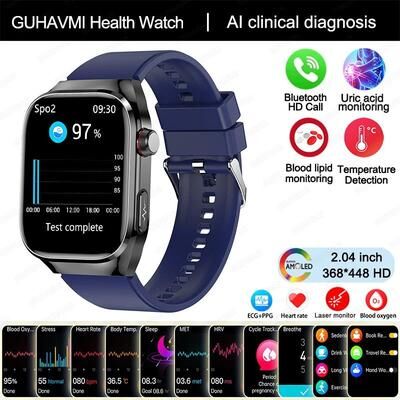
Inspire Select 2025 Health Smart Watch AMOLED Bluetooth Call Fitness Tracker With ECG & Wellness Monitoring blueStay connected while monitoring your daily wellness with this advanced health smart watch designed for fitness, lifestyle tracking, and smart convenience. Featuring a stunning AMOLED smartwatch display, Bluetooth calling, ECG monitoring, and...299,95 $*Shipping: 0,00 $Secure redirect to the provider
-
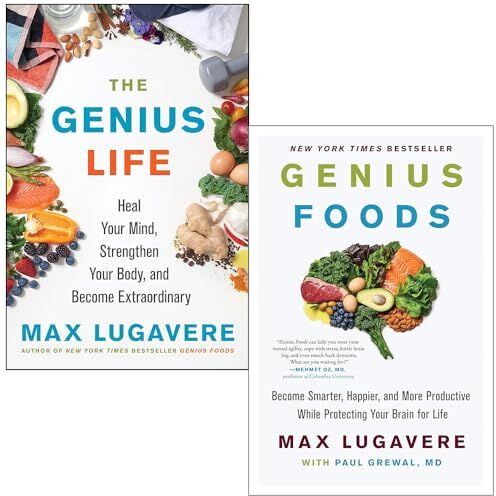
Harper ltd Max Lugavere 2 Book Set – Genius Foods & The Genius Life Brain Health, Nutrition & Wellness CollectionMax Lugavere 2-Book Collection Set (The Genius Life & Genius Foods – Nutrition, Health, Wellness, Diet, Brain & Body Health, Self-Help & Fitness) The Genius Life: Heal Your Mind, Strengthen Your Body, and Become Extraordinary: Supporting the work of Battersea Dogs and Cats Home.Enjoy a heartwarming dog to brighten every single day of the year. From Pickles, the dog who single-handedly saved the 1966 world cup, to Pal, who found silver screen fame as the original Lassie, Battersea's A Dog a Day contains 365 fascinating stories of dogs to enjoy throughout the year.Beautifully packaged and illustrated throughout with charming illustrations of cheeky puppies and hounds, this is the perfect book for any lover of our four-legged friends. Genius Foods: Become Smarter, Happier, and More Productive While Protecting Your Brain for Life: After his mother was diagnosed with a mysterious form of dementia, Max Lugavere put his successful media career on hold to learn everything he could about brain health and performance. For the better half of a decade, he consumed the most up-to-date scientific research, talked to dozens of leading scientists and clinicians around the world, and visited the country’s best neurology departments—all in the hopes of understanding his mother’s condition.Now, in Genius Foods, Lugavere presents a comprehensive guide to brain optimization. He uncovers the stunning link between our dietary and lifestyle choices and our brain functions, revealing how the foods you eat directly affect your ability to focus, learn, remember, create, analyze new ideas, and maintain a balanced mood.12,95 £*Shipping: 2,99 £Secure redirect to the provider
-
Why are enzymes biocatalysts?
Enzymes are biocatalysts because they are able to speed up chemical reactions in living organisms without being consumed in the process. They do this by lowering the activation energy required for a reaction to occur, making it easier for the reaction to take place. Enzymes are highly specific in their action, targeting specific substrates and catalyzing specific reactions, which allows for precise control of metabolic processes in the cell. This specificity and efficiency make enzymes essential for the functioning of biological systems. **
-
What are key enzymes?
Key enzymes are proteins that catalyze specific chemical reactions within the body. They play a crucial role in regulating and speeding up metabolic processes, such as breaking down food for energy or building new molecules for growth and repair. Key enzymes are often involved in important biochemical pathways and are essential for maintaining overall health and homeostasis in the body. Their activity can be regulated by various factors, such as substrate concentration, pH, and temperature, and they are often targeted by drugs and therapies to treat various diseases and disorders. **
-
How are enzymes named?
Enzymes are named based on the type of reaction they catalyze and the substrate they act upon. The names of enzymes typically end in "-ase" to indicate their enzymatic function. The first part of the name often reflects the substrate or the type of reaction the enzyme is involved in. For example, the enzyme that breaks down lactose is called lactase, and the enzyme that breaks down lipids is called lipase. Additionally, enzymes are often given a systematic name based on their specific function and the biochemical pathways they are involved in. **
-
What are enzymes in biology?
Enzymes are biological molecules that act as catalysts to speed up chemical reactions in living organisms. They are typically proteins that bind to specific molecules, called substrates, and help to convert them into different molecules. Enzymes are essential for various cellular processes, such as metabolism, digestion, and DNA replication. They are highly specific, meaning each enzyme catalyzes a particular reaction. **
* All prices are inclusive of VAT and, if applicable, plus shipping costs. The offer information is based on the details provided by the respective shop and is updated through automated processes. Real-time updates do not occur, so deviations can occur in individual cases. ** Note: Parts of this content were created by AI.