Buy forumtrzeciegowieku.pl ?
We are moving the project
forumtrzeciegowieku.pl .
Are you interested in purchasing the domain
forumtrzeciegowieku.pl ?
domain@kv-gmbh.de · 0541-91531010
Buy forumtrzeciegowieku.pl ?
Are Kazakhs a Turkic people?
Yes, Kazakhs are a Turkic people. They are one of the largest Turkic ethnic groups in Central Asia, with a majority of the population speaking the Kazakh language, which is a Turkic language. The Kazakhs have a shared history, culture, and linguistic roots with other Turkic peoples in the region. **
How similar are Turkic languages?
Turkic languages are similar in terms of their grammatical structure, vocabulary, and phonology. They share a common ancestor and have many cognates, making it easier for speakers of one Turkic language to understand and learn another. However, there are also significant differences among Turkic languages, especially in terms of phonological and lexical differences, as well as some grammatical variations. Despite these differences, the mutual intelligibility among Turkic languages allows for some level of communication and understanding between speakers of different Turkic languages. **

Similar search terms for Turkic
Top-Angebote
Products related to Turkic:
-
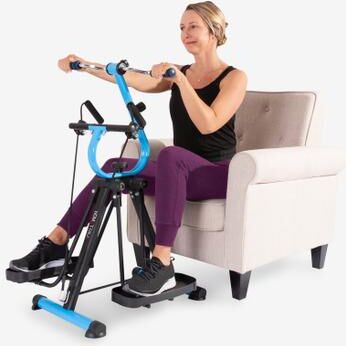
HOMETRACK™ Home Gym by North American Health+Wellness in Black BlueLoosen joints, gain strength, flexibility and mobility in a sitting position at home. All-in-one system for upper and lower body to help Improve circulation, balance and core strength. Low-impact resistance bands to help tone arms. Tri-directional...169,99 $*Shipping: 25,58 $Secure redirect to the provider
-
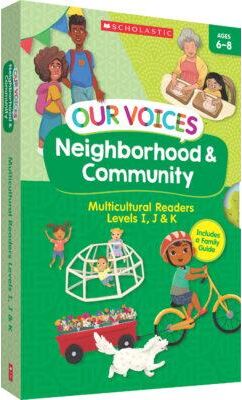
Our Voices: Neighborhood & Community Boxed SetFoster a feeling of belonging while building key reading skills with these colorful storybooks that spotlight a variety of neighborhoods and communities. The 10 charming stories feature characters from different cultural backgrounds who learn about...32,37 $*Shipping: 0,00 $Secure redirect to the provider
-
Mattel Barbie Medical Roleplay Doctor Health Education Series Doll for Kids, Ages 3-12, Educational Toy, Roleplay DoctorMeet the Mattel Barbie Medical Roleplay Doctor, a Health Education Series doll that invites gentle, imaginative healthcare play into your home. It supports curious conversations about wellbeing, doctor visits, and caring stories, while its distinctive design makes it a welcome companion for playrooms, nurseries, and classroom corners. The doll's roleplay scenarios align with early science and wellbeing topics, helping children name feelings, practice listening, and explore compassionate care. Collectors will appreciate how the doll fits alongside other figures for shelf display, and parents will value the care that comes with purchasing from a UK family-run shop. A thoughtful addition to a growing collection, it invites kindness, curiosity, and creative pretend play.10,89 £*Shipping: 3,95 £Secure redirect to the provider
-
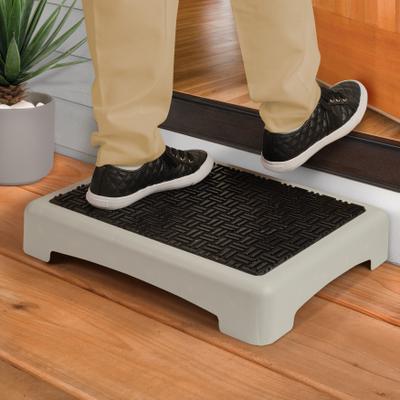
440 lbs. Weight Capacity Non-Slip Outdoor Step by North American Health+Wellness in Gray"Large platform makes it easier for those with limited ability to lift their feet and remain steady while stepping up. Comes with a slip-resistant rubber mat. Dimensions: 19 1/4""W x 15 1/2""L x 4""HPP/LDPE/TPRMax. weight: 440 lbs.Use on flat..."49,99 $*Shipping: 16,98 $Secure redirect to the provider

-
Are Kazakhs a Turkic ethnic group?
Yes, Kazakhs are a Turkic ethnic group. They are descendants of Turkic tribes that migrated to the region of present-day Kazakhstan in the Middle Ages. The Kazakh language is also a Turkic language, belonging to the Kipchak branch of the Turkic language family. Additionally, Kazakh culture and traditions have strong Turkic influences, further solidifying their Turkic identity. **
-
Is Turkey really an ethnic Turkic people?
Turkey is a diverse country with a population that includes various ethnic groups, not just ethnic Turks. While the majority of the population in Turkey identifies as ethnic Turks, there are also significant Kurdish, Arab, and other minority populations. The concept of Turkish identity is complex and includes cultural, linguistic, and historical factors beyond just ethnic origin. Therefore, it is more accurate to say that Turkey is a multi-ethnic country with a dominant Turkish cultural and linguistic heritage. **
-
Do the Inuit belong to the Turkic peoples?
No, the Inuit do not belong to the Turkic peoples. The Inuit are indigenous peoples who primarily inhabit the Arctic regions of Canada, Greenland, and Alaska. They have their own distinct language, culture, and history that are different from the Turkic peoples, who are a group of ethnicities primarily located in Central Asia and parts of Eastern Europe. **
-
Do all Turkic peoples have the same roots?
No, not all Turkic peoples have the same roots. While they share a common linguistic and cultural heritage, Turkic peoples have diverse origins and histories. The Turkic language family originated in Central Asia, and Turkic peoples have migrated and settled in various regions over time, leading to different subgroups with distinct origins and influences. These subgroups include the Oghuz, Kipchak, and Karluk branches, among others, each with its own unique history and connections to different regions and cultures. **

Which countries do the Turkic peoples belong to?
The Turkic peoples belong to countries such as Turkey, Azerbaijan, Kazakhstan, Uzbekistan, Turkmenistan, Kyrgyzstan, and parts of Russia, China, and Iran. These countries have significant populations of Turkic-speaking people who share a common cultural and linguistic heritage. The Turkic peoples have a rich history and have made significant contributions to the cultures and societies of these countries. **
Do the Scythians belong to the Turkic peoples?
The Scythians were an ancient nomadic people who lived in the Eurasian steppes from around the 9th century BC to the 4th century AD. While there are some linguistic and cultural similarities between the Scythians and Turkic peoples, they are not considered to be the same. The Scythians were an Indo-European group, while the Turkic peoples are a distinct language group that emerged later in history. Therefore, the Scythians are not considered to belong to the Turkic peoples. **
Top-Angebote
Products related to Turkic:
-
Inspired Finds DPL Red Light Skin Rejuvenation Device With Infrared Cooling Technology For Anti Aging Skin Care DPL Red Light Skin Rejuvenation Device With Infrared Cooling Technology For Anti Aging Skin CareReveal a brighter, smootherlooking complexion with this red light therapy device designed to elevate your daily skincare routine. This skin rejuvenation device combines DPL light technology, infrared therapy, and a cooling treatment head to provide...281,99 $*Shipping: 0,00 $Secure redirect to the provider
-
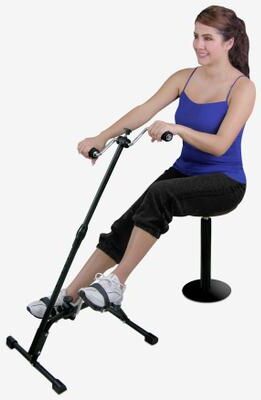
HOMETRACK™ Total Body Exerciser by North American Health+Wellness in Black"Pedal your way to fitness with this adjustable machine featuring loops for extra security. Features adjustable height and tension control. Dimensions: 21 1/2""L x 17""W x 30 1/2""HLightweight and durableCompact for easy storageCarbon steel/polystyrene..."49,99 $*Shipping: 16,98 $Secure redirect to the provider
-
HOMETRACK™ Home Gym by North American Health+Wellness in Black BlueLoosen joints, gain strength, flexibility and mobility in a sitting position at home. All-in-one system for upper and lower body to help Improve circulation, balance and core strength. Low-impact resistance bands to help tone arms. Tri-directional...169,99 $*Shipping: 25,58 $Secure redirect to the provider
-
Our Voices: Neighborhood & Community Boxed SetFoster a feeling of belonging while building key reading skills with these colorful storybooks that spotlight a variety of neighborhoods and communities. The 10 charming stories feature characters from different cultural backgrounds who learn about...32,37 $*Shipping: 0,00 $Secure redirect to the provider
-
Are Kazakhs a Turkic people?
Yes, Kazakhs are a Turkic people. They are one of the largest Turkic ethnic groups in Central Asia, with a majority of the population speaking the Kazakh language, which is a Turkic language. The Kazakhs have a shared history, culture, and linguistic roots with other Turkic peoples in the region. **
-
How similar are Turkic languages?
Turkic languages are similar in terms of their grammatical structure, vocabulary, and phonology. They share a common ancestor and have many cognates, making it easier for speakers of one Turkic language to understand and learn another. However, there are also significant differences among Turkic languages, especially in terms of phonological and lexical differences, as well as some grammatical variations. Despite these differences, the mutual intelligibility among Turkic languages allows for some level of communication and understanding between speakers of different Turkic languages. **
-
Are Kazakhs a Turkic ethnic group?
Yes, Kazakhs are a Turkic ethnic group. They are descendants of Turkic tribes that migrated to the region of present-day Kazakhstan in the Middle Ages. The Kazakh language is also a Turkic language, belonging to the Kipchak branch of the Turkic language family. Additionally, Kazakh culture and traditions have strong Turkic influences, further solidifying their Turkic identity. **
-
Is Turkey really an ethnic Turkic people?
Turkey is a diverse country with a population that includes various ethnic groups, not just ethnic Turks. While the majority of the population in Turkey identifies as ethnic Turks, there are also significant Kurdish, Arab, and other minority populations. The concept of Turkish identity is complex and includes cultural, linguistic, and historical factors beyond just ethnic origin. Therefore, it is more accurate to say that Turkey is a multi-ethnic country with a dominant Turkish cultural and linguistic heritage. **
Similar search terms for Turkic
-
Mattel Barbie Medical Roleplay Doctor Health Education Series Doll for Kids, Ages 3-12, Educational Toy, Roleplay DoctorMeet the Mattel Barbie Medical Roleplay Doctor, a Health Education Series doll that invites gentle, imaginative healthcare play into your home. It supports curious conversations about wellbeing, doctor visits, and caring stories, while its distinctive design makes it a welcome companion for playrooms, nurseries, and classroom corners. The doll's roleplay scenarios align with early science and wellbeing topics, helping children name feelings, practice listening, and explore compassionate care. Collectors will appreciate how the doll fits alongside other figures for shelf display, and parents will value the care that comes with purchasing from a UK family-run shop. A thoughtful addition to a growing collection, it invites kindness, curiosity, and creative pretend play.10,89 £*Shipping: 3,95 £Secure redirect to the provider
-
440 lbs. Weight Capacity Non-Slip Outdoor Step by North American Health+Wellness in Gray"Large platform makes it easier for those with limited ability to lift their feet and remain steady while stepping up. Comes with a slip-resistant rubber mat. Dimensions: 19 1/4""W x 15 1/2""L x 4""HPP/LDPE/TPRMax. weight: 440 lbs.Use on flat..."49,99 $*Shipping: 16,98 $Secure redirect to the provider
-
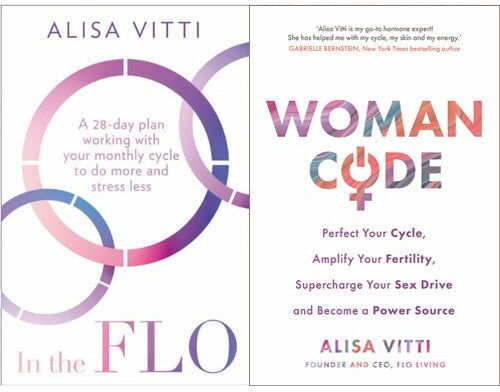
Reader's Library Classics In the FLO & Womancode 2 Books Collection Set – Women’s Health & Wellness CollectionIn the FLO A 28-day plan working with your monthly cycle to do more & Womancode: Perfect Your Cycle Amplify Your Fertility Supercharge Your Sex Drive By Alisa Vitti 2 Books Collection Set In the FLO A 28-day plan working with your monthly cycle to do more and stress less: In the Flo teaches women how to use their 28-day cycle to optimize their life by letting their internal clock and natural rhythms guide time management, diet, fitness, etc. (This is so simple and yet under-utilized it is shocking. It makes perfect sense when you think about it: You have different energy levels at different times of the month, different libido levels, etc. so why not use foresight to plan projects for when you are at your most effective, and understand when you need more emotional connection with others?) Womancode Perfect Your Cycle, Amplify Your Fertility, Supercharge Your Sex Drive: Alisa Vitti found herself suffering through the symptoms of polycystic ovarian syndrome (PCOS), and was able to heal herself through food and lifestyle changes. Relieved and reborn, she made it her mission to empower other women to be able to do the same. As she says, 'Hormones affect everything. Have you ever struggled with acne, oily hair, dandruff, dry skin, cramps, headaches, irritability, exhaustion, constipation, irregular cycles, heavy bleeding, clotting, shedding hair, weight gain, anxiety, insomnia, infertility, lowered sex drive, or bizarre food cravings and felt like your body was just irrational?' With this breadth of symptoms, improving hormonal health is a goal for women at every stage of their lives Alisa Vitti says that medication and anti-depressants aren't the only solutions.14,90 £*Shipping: 2,99 £Secure redirect to the provider
-
Inspire Select 2025 Health Smart Watch AMOLED Bluetooth Call Fitness Tracker With ECG & Wellness Monitoring pinkStay connected while monitoring your daily wellness with this advanced health smart watch designed for fitness, lifestyle tracking, and smart convenience. Featuring a stunning AMOLED smartwatch display, Bluetooth calling, ECG monitoring, and...299,96 $*Shipping: 0,00 $Secure redirect to the provider
-
Do the Inuit belong to the Turkic peoples?
No, the Inuit do not belong to the Turkic peoples. The Inuit are indigenous peoples who primarily inhabit the Arctic regions of Canada, Greenland, and Alaska. They have their own distinct language, culture, and history that are different from the Turkic peoples, who are a group of ethnicities primarily located in Central Asia and parts of Eastern Europe. **
-
Do all Turkic peoples have the same roots?
No, not all Turkic peoples have the same roots. While they share a common linguistic and cultural heritage, Turkic peoples have diverse origins and histories. The Turkic language family originated in Central Asia, and Turkic peoples have migrated and settled in various regions over time, leading to different subgroups with distinct origins and influences. These subgroups include the Oghuz, Kipchak, and Karluk branches, among others, each with its own unique history and connections to different regions and cultures. **
-
Which countries do the Turkic peoples belong to?
The Turkic peoples belong to countries such as Turkey, Azerbaijan, Kazakhstan, Uzbekistan, Turkmenistan, Kyrgyzstan, and parts of Russia, China, and Iran. These countries have significant populations of Turkic-speaking people who share a common cultural and linguistic heritage. The Turkic peoples have a rich history and have made significant contributions to the cultures and societies of these countries. **
-
Do the Scythians belong to the Turkic peoples?
The Scythians were an ancient nomadic people who lived in the Eurasian steppes from around the 9th century BC to the 4th century AD. While there are some linguistic and cultural similarities between the Scythians and Turkic peoples, they are not considered to be the same. The Scythians were an Indo-European group, while the Turkic peoples are a distinct language group that emerged later in history. Therefore, the Scythians are not considered to belong to the Turkic peoples. **
* All prices are inclusive of VAT and, if applicable, plus shipping costs. The offer information is based on the details provided by the respective shop and is updated through automated processes. Real-time updates do not occur, so deviations can occur in individual cases. ** Note: Parts of this content were created by AI.